Clinical Training
As a national-level medical center, Taipei Veterans General Hospital (TVGH) has long regarded “becoming an international center of excellence for healthcare talent development, precision medicine, and cutting-edge research” as a core objective. Over the years, TVGH has maintained an exceptionally close strategic partnership with National Yang Ming Chiao Tung University (NYCU) and serves as one of its most important teaching hospitals. Many of the Hospital’s leading physicians also hold full-time faculty appointments at NYCU, contributing extensively to medical education in Taiwan. TVGH also pioneered an innovative Problem-Based Learning (PBL) system that has helped lead medical education nationwide, striving to establish a new paradigm of excellence in medical education.
Student Internships and International Training
TVGH continues to implement the Ministry of Health and Welfare’s Clinical Medical Personnel Training Program, providing high-quality training venues and educational resources. Guided by competency-based medical education, the program develops trainees across healthcare professions so that they can apply the clinical knowledge and skills of their respective disciplines, embrace patient-centered and holistic care, pursue lifelong professional development and self-directed learning, and become outstanding healthcare professionals. The program is regularly monitored against performance indicators designed by the Ministry of Health and Welfare and the Joint Commission of Taiwan, with external performance evaluations conducted accordingly. TVGH’s annual evaluation results have consistently reached the high standards achieved by leading hospitals nationwide.
The Clinical Skills Training Section focuses on strengthening healthcare professionals’ clinical skills and procedural competencies by providing a diverse range of basic and advanced clinical skills training. It is responsible for hospital-wide emergency care training, clinical skills certification and Objective Structured Clinical Examination (OSCE) testing for medical interns, and support for OSCE-based teaching effectiveness assessments across healthcare professions, thereby safeguarding clinical procedural safety and the quality of patient care. By making full use of simulation teaching facilities and simulated clinical environments, the Section conducts emergency response drills and specialty clinical skills courses to enhance trainees’ clinical management and real-time response capabilities.
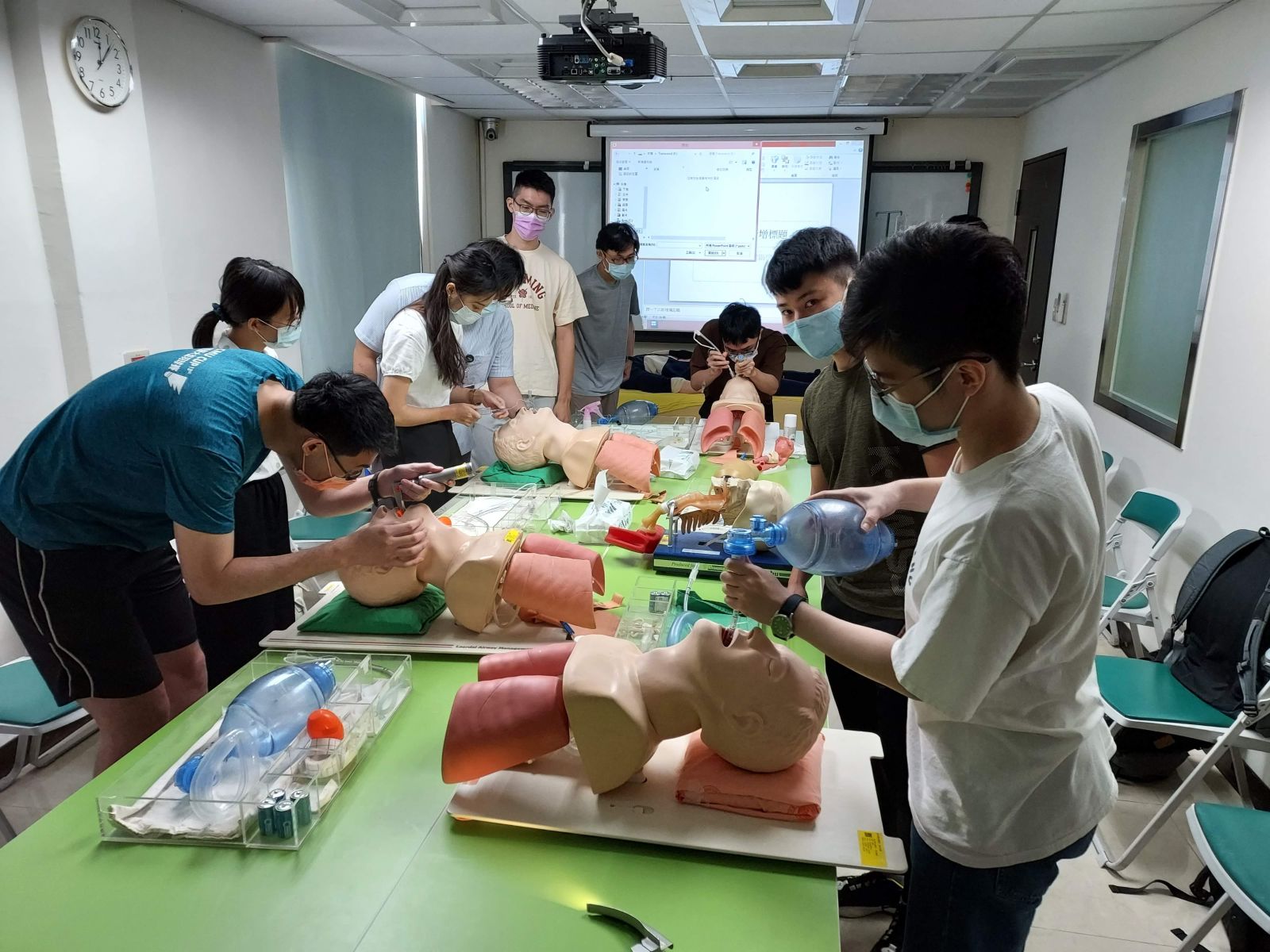
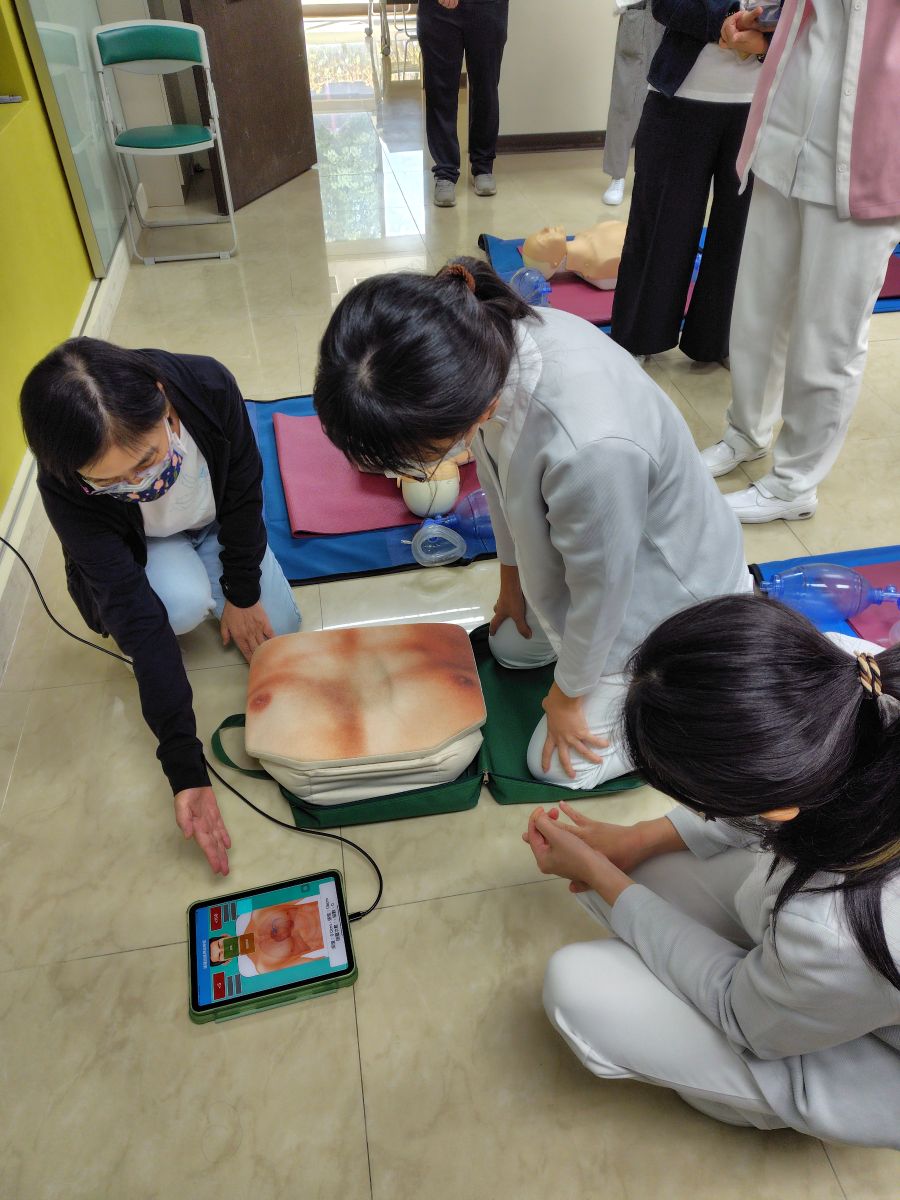
The Department of Medical Education conducts one to two hospital-wide emergency care training sessions each month, including BLS, ACLS, ALS, NRP, PALS, and other programs, to safeguard patient safety and improve the quality of emergency care. In 2025, a total of 68 sessions were held, with 2,855 participants completing emergency care training. The attendance rate was 99.3%, the pass rate was 99.2%, and course satisfaction reached 97.6%.
 |
 |
| Advanced Cardiovascular Life Support (ACLS) Emergency Care Training |
Basic Life Support (BLS) Emergency Care Training |
In addition, to promote international exchange in clinical medical education, share TVGH’s experience in international healthcare, and expand its global impact, the Hospital actively trains international healthcare professionals in accordance with the Ministry of Health and Welfare’s Guidelines for Teaching Hospitals Accepting Applications from Foreign Medical Personnel for Clinical Training or Teaching.
In 2025, a total of 17 individuals undertook long-term training of three months or longer at TVGH and were covered by medical insurance, including coverage related to COVID-19, during their stay in Taiwan. The Hospital also accepted 71 international healthcare students. In collaboration with the International Medical Service Center, TVGH participated in the “2025 New Southbound Policy Medical and Health Cooperation and Industrial Development Program” (Subproject 1: Vietnam [Region A]) and the Saint Christopher and Nevis Mental Health Resilience Enhancement Project. In total, 48 foreign healthcare professionals trained at the Hospital in 2025. The combined number of international healthcare professionals and students coming to TVGH for training increased by 10%. Training satisfaction primarily assessed whether course content and teaching arrangements met learning needs, as well as the effectiveness of clinical instructors, the learning environment, and feedback mechanisms. Of the respondents, 76% reported being very satisfied and 24% satisfied.
From 2016 to 2025, TVGH hosted 328 healthcare professionals and 854 students from 25 major countries, for a total of 1,182 trainees. During 2020–2022, however, global border-control measures related to the COVID-19 pandemic caused a sharp decline in the number of international trainees. Compared with the pre-pandemic period, the annual growth rate in visits by foreign healthcare professionals during 2023–2025 reached 84.16%, while the number of foreign medical and healthcare students increased by 257.89%. These figures indicate that, as the pandemic stabilized, international demand for training at TVGH gradually returned to a stable trajectory and progressively recovered toward pre-pandemic levels.
Faculty Development
TVGH has established hospital-wide mechanisms to encourage faculty members to pursue further education and professional development in Taiwan and abroad. These include paid study leave with continued employment, relevant financial subsidies, and unpaid leave with positions retained. Personnel assigned to further study or to attend domestic or international conferences are granted official leave and related financial support. The Hospital also provides a comfortable and welcoming humanities-oriented space for all clinical faculty to conduct student mentoring. Equipped with high-quality audiovisual facilities for multimedia teaching and meeting tables that can also serve as dining tables, the space enables faculty and students to exchange ideas and hold small-group discussions in a relaxed environment.
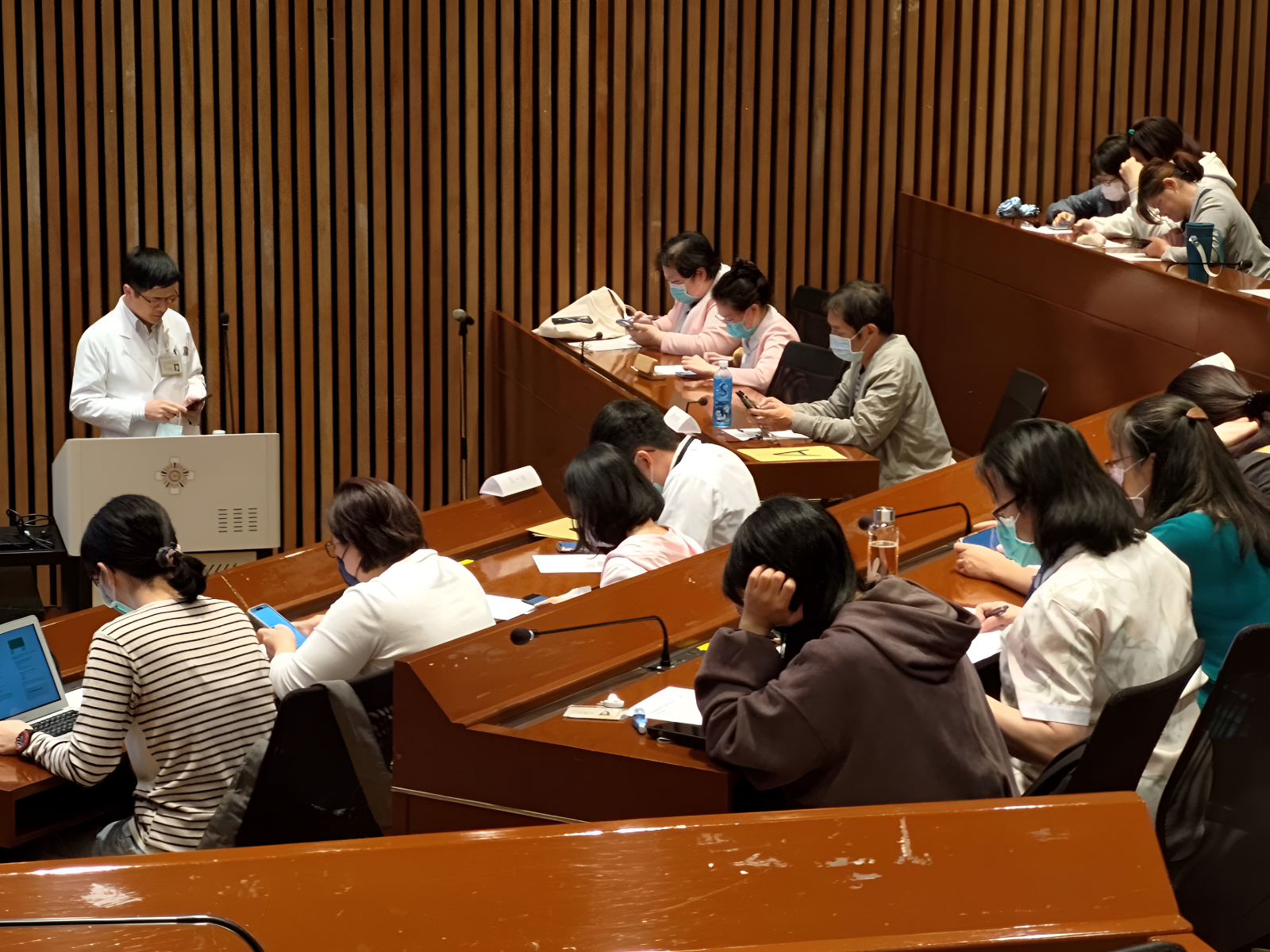
TVGH has expanded its “Foundational Evidence-Based Medicine Core Education” initiative. Beginning on April 9, a series of eight foundational evidence-based medicine courses was offered, covering literature-search techniques, critical appraisal of different types of evidence (diagnosis, treatment, prognosis, and harm), and systematic reviews. To date, 289 participants—including physicians, nurses, pharmacists, medical technologists, and other professionals—have attended, with an attendance rate of approximately 90% and a satisfaction rate of 99.9%. As an important foundation for the Hospital’s evidence-based medicine education, the program strengthens evidence-based capabilities through interdisciplinary integration and systematic training and has received highly positive feedback from participants.
In addition, TVGH held an SR & GRADE Workshop on August 9–10, 2025. Through structured instructional design and hands-on exercises, the workshop guided participants in systematic review (SR) writing and GRADE appraisal techniques, strengthening their capabilities in evidence-based research, knowledge translation, and practical application, while enhancing professional competence in developing and writing evidence-based clinical care guidelines. Evidence-based clinical care guidelines can be applied directly in daily healthcare practice to support healthcare professionals and patients in making optimal decisions, advance evidence-based practice, and further improve care quality and cost-effectiveness. Overall satisfaction with the workshop reached 94.19%.
 |
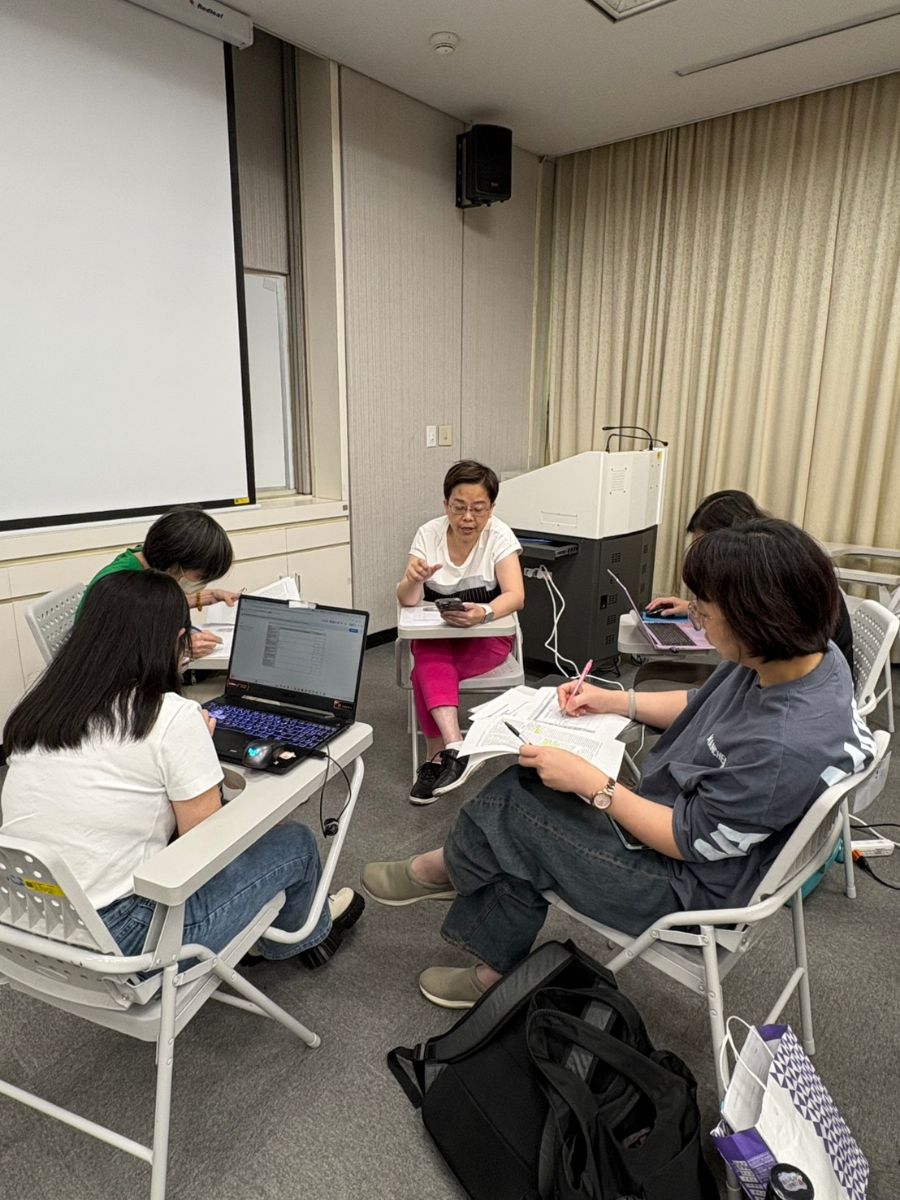 |
| Foundational Evidence-Based Medicine Core Education | SR & GRADE Workshop |
Digital Technology-Enabled Learning
TVGH took a forward-looking approach by offering the nationwide advanced evidence-based medicine training courses “ROBINS-I V2” and “RoB 2.0,” integrating the latest international methodologies with practical clinical application skills. Through an intensive six-hour, one-day program combining in-depth instruction in core theory with hands-on practice, the courses comprehensively strengthened participants’ literature appraisal capabilities and helped them acquire essential research skills within a short period of time. A total of 52 participants enrolled, filling all available places, and overall satisfaction reached an impressive 98%.
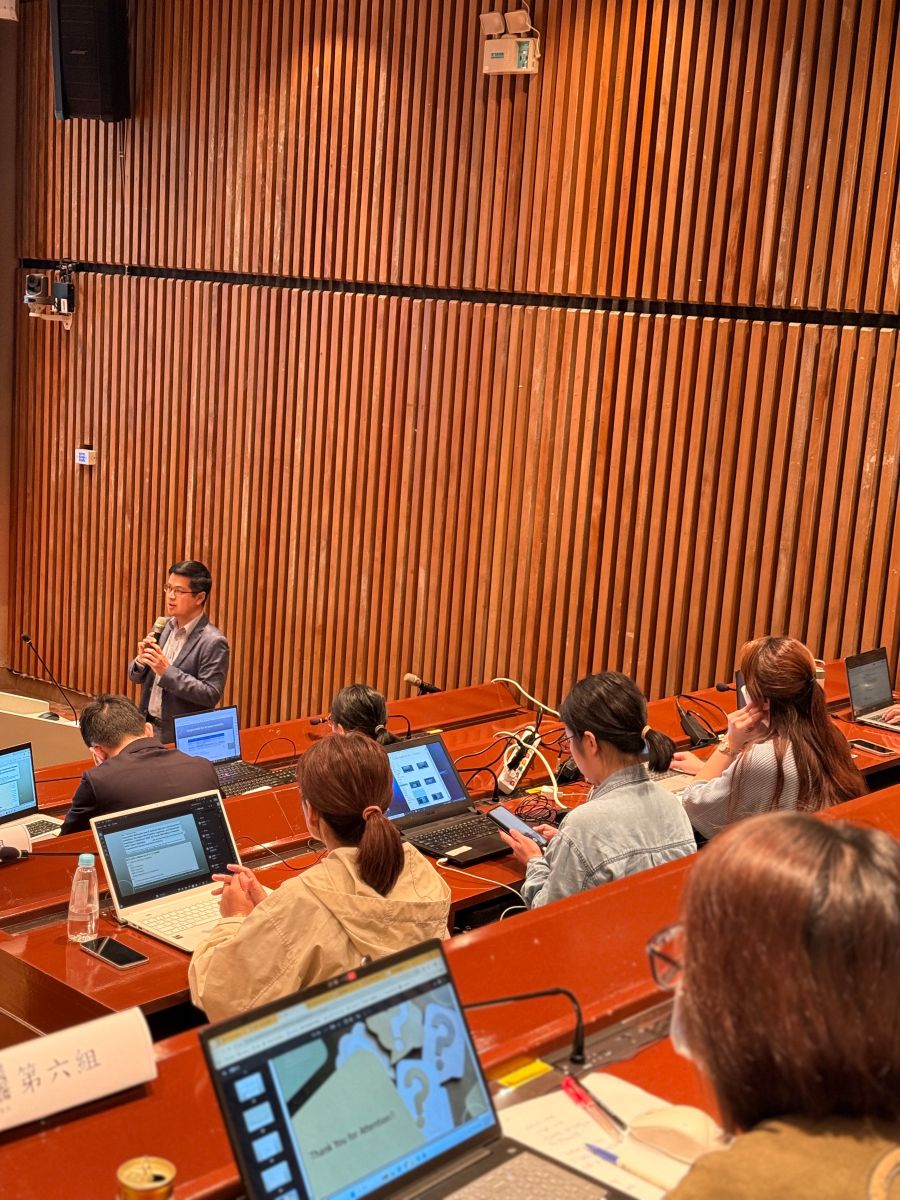
At the end of 2025, TVGH also held a Network Meta-Analysis (NMA) Workshop. Evidence-based medicine committee members introduced a new curriculum and hands-on exercises to help participants understand the fundamentals of NMA, quickly learn to use visual statistical software, and accurately interpret statistical results in order to identify the best healthcare decisions among two or more options. A total of 43 participants attended, with overall satisfaction reaching 92%. The workshop strengthened staff members’ ability to use advanced statistical software and digital evidence-based models.
 |
 |
| Network Meta-Analysis (NMA) Workshop |
National Advanced Evidence-Based Medicine Training Course ROBINS-I and RoB 2.0 |
Supporting Cutting-Edge Research
TVGH invests extensively in high-quality research resources and a supportive research environment, and its outstanding academic achievements have received international recognition. According to the 2025 “World’s Top 2% Scientists” list, 398 scholars in Taiwan were recognized in the field of clinical medicine. Among the top 20 scholars in Taiwan, the TVGH healthcare system accounted for seven positions—one more than in the previous year—tying National Taiwan University for the highest number nationwide. Looking ahead, TVGH will continue to recruit talented young researchers with a passion for research, deepen the transmission of academic expertise, and advance medical innovation.
Medical Research Resources
With a forward-looking commitment to medical innovation, TVGH established the Department of Medical Research as early as 1964. The Department is responsible for planning and implementing academic research development programs, administering and rigorously managing research funding, compiling and analyzing research outcomes, and facilitating industry-academia collaboration and technology transfer. It also actively supports the Department of Medical Education in medical research and teaching activities involving affiliated and cooperative healthcare institutions. The Department of Medical Research currently comprises more than 20 specialized research laboratories, each led by a physician with outstanding clinical expertise, a distinguished professor-level researcher, or an associate research fellow at the rank of associate professor or above. Most of these core research professionals also hold faculty appointments at National Yang Ming Chiao Tung University, where they contribute to academic mentorship and supervise graduate research, helping to build an outstanding environment for cultivating medical scientists.
.png) |
| Administrative Structure of the Department of Medical Research |
To promote multidisciplinary collaboration across clinical medicine, basic research, translational medicine, and other fields, TVGH provides research funding through its Mission-Oriented Research Program (Type D Program). The program encourages staff members to integrate research resources and professional expertise, strengthen innovation in medical research, advance the Hospital’s core research and development missions, and ultimately improve healthcare quality and clinical application outcomes. Each integrated project may receive up to NT$4 million in funding per year, while each subproject is capped at NT$1 million.
The Type D Program emphasizes integration and diversity. In addition to aligning with the Hospital’s strategic priorities in precision medicine, smart healthcare, geriatric medicine, and regenerative medicine, each integrated project must include subprojects from at least three different fields, and at least three subprojects must pass review before the integrated project can be established. Following review by the Research Committee on October 15, 2025, four integrated projects were approved under the Hospital’s 2026 Mission-Oriented Research Program (Type D Program), with total funding of NT$10.5 million. The projects are scheduled to begin on January 1, 2026.
The Department of Medical Research held six special-topic lectures and four sessions of education, training, and lectures related to intellectual property rights and industry-academia collaboration. The Cell Therapy Innovation Research and Development Center recorded 34 attendances in education and personnel training activities. The Big Data Center completed five data application lectures and 11 biostatistics training courses, totaling 27 training hours and 565 attendances. Training was also provided for personnel working in Biosafety Level 3 (BSL-3) laboratories, and one research ethics training course was held with 110 participants registered.
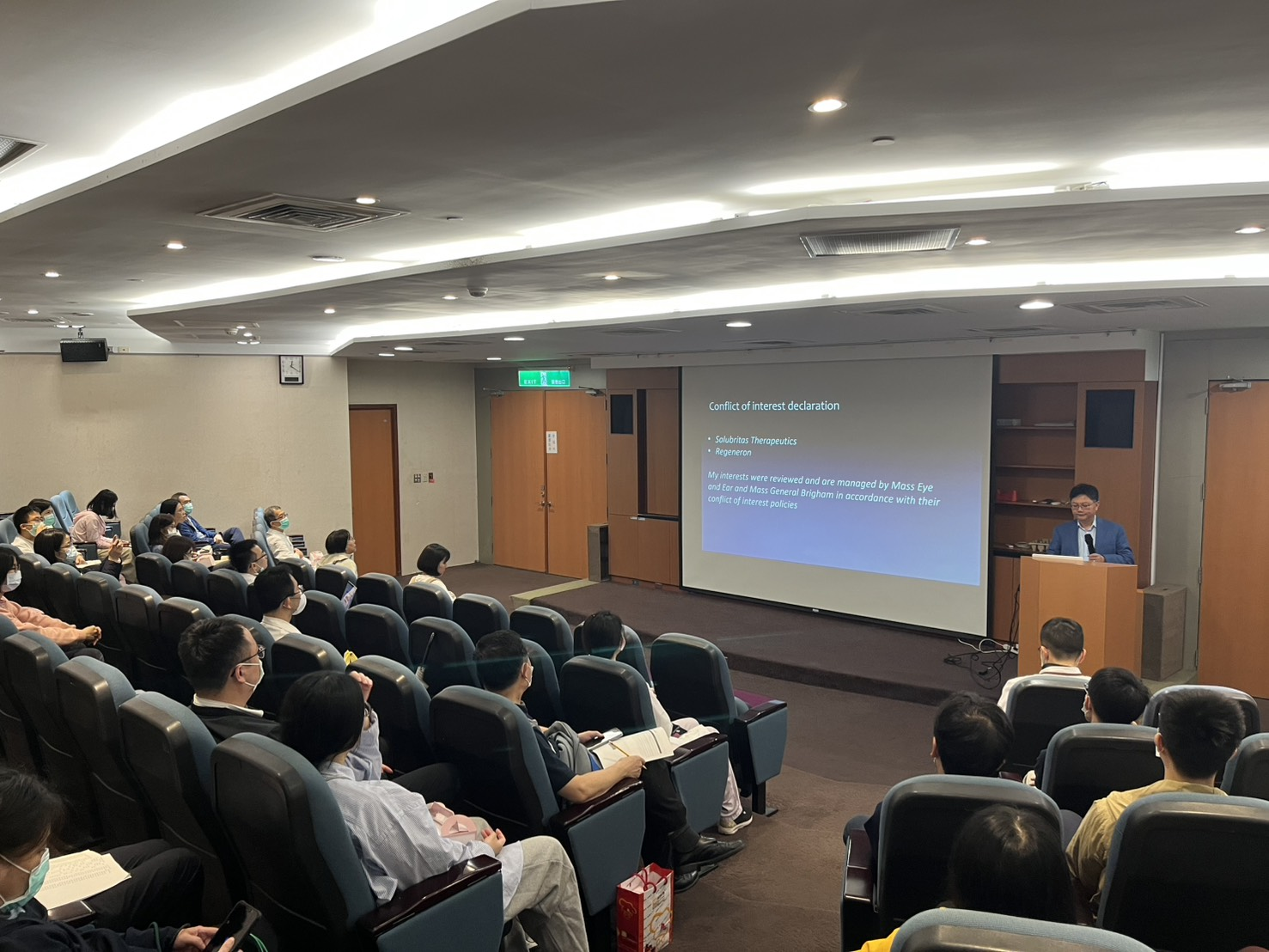 |
| Professor Zheng-Yi Chen of Harvard Medical School was invited to deliver the academic lecture “A New Era in Gene Therapy for Genetic Hearing Loss.” |
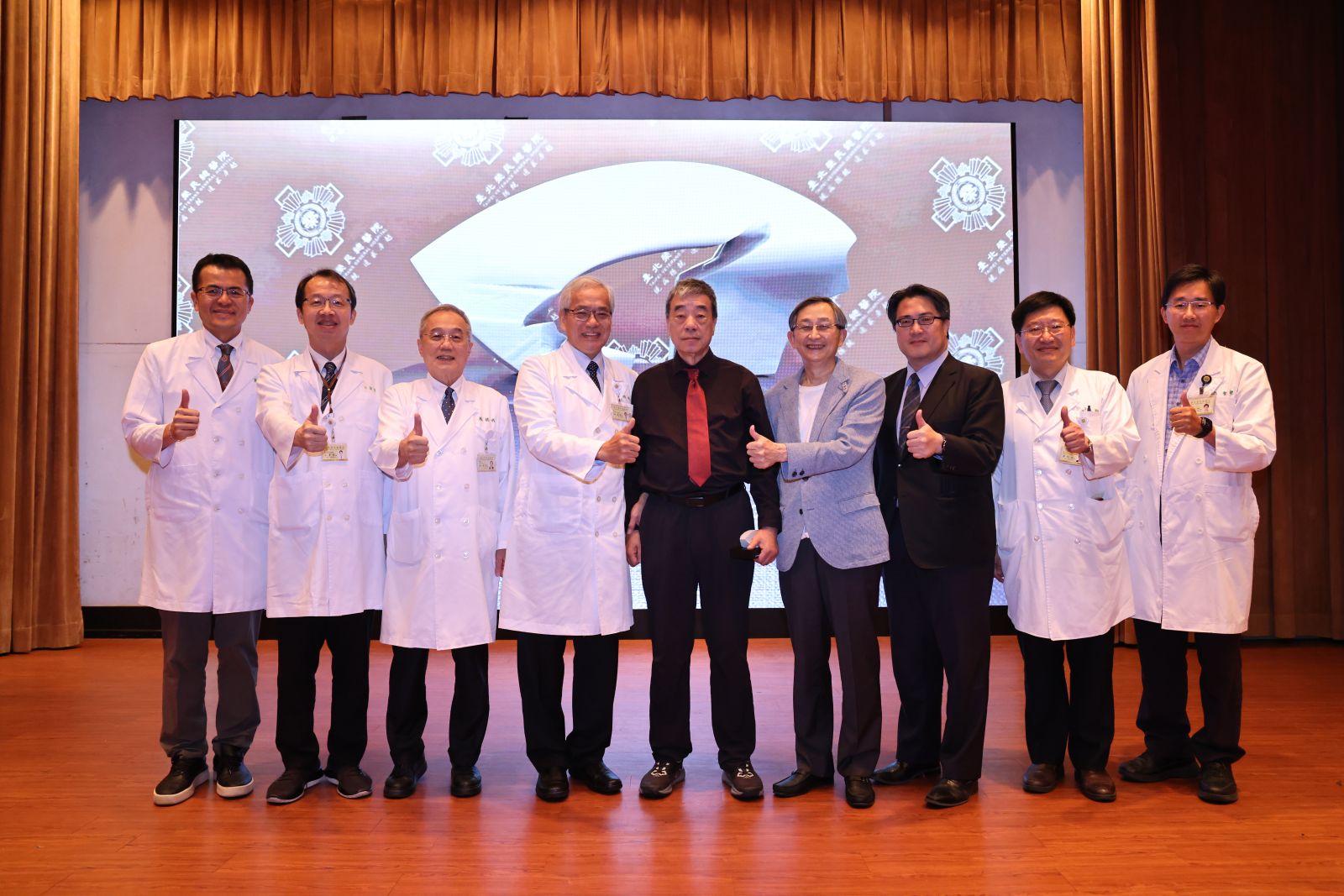 |
 |
| Top Academic Research Forum - Special Lecture by Academician Hsing-Jien Kung |
Your Research Partner - Department of Medical Research |
 |
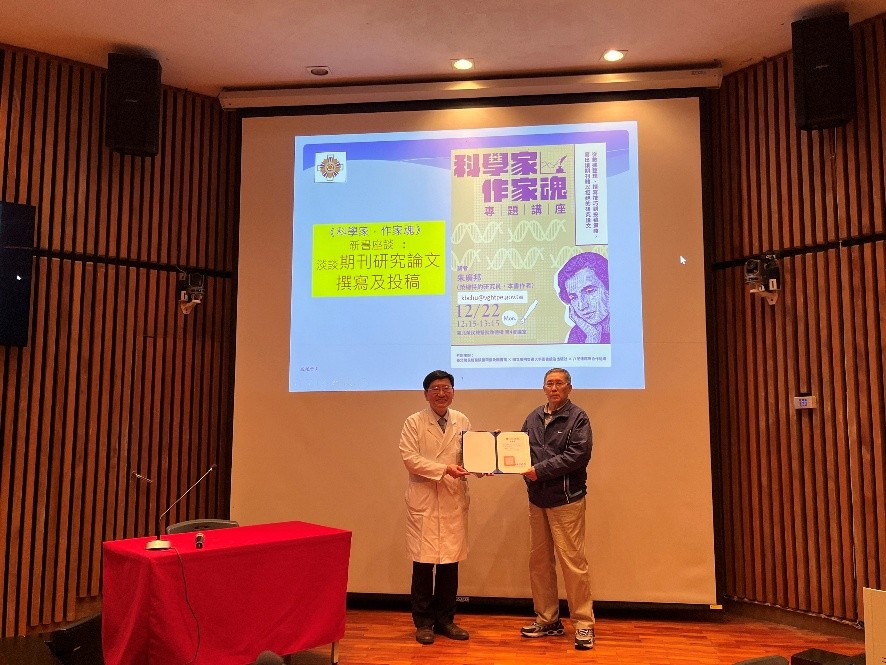 |
| Special Lecture by Dr. Yi-Lan Wang - Innovation and M&A at the Intersection of Biomedicine and Technology | Special Lecture by Professor Guang-Bang Zhu - “The Spirit of a Scientist and Writer” |
Building an Environment for Continuous Innovation
In 2018, with a donation from the YongLin Healthcare Foundation, TVGH established the Clinical Innovation Center (CiC), modeled after the Mayo Clinic in the United States, to create an interdisciplinary co-creation environment. In addition to providing financial support for young healthcare professionals to attend conferences and undertake visits abroad, the Center funds medical innovation projects and organizes youth innovation proposal competitions. These initiatives encourage staff to pursue innovation and improvement in medical technologies and services, using innovative design thinking and technology adoption to transform healthcare processes, add value to medical services, create high-quality patient experiences, and reduce the workload burden on healthcare professionals. In 2025, the Center organized a total of 11 lectures, exchange activities, and discussion meetings.
.jpg) .jpg) |
| Superintendent Meets with Young Physicians |
In response to the rapid growth of data science and artificial intelligence, modern medical research has shifted from traditional small-sample, single-variable analysis toward new research paradigms centered on “multi-source data integration” and “model-driven approaches,” substantially increasing the need for large-scale data processing capacity and quality control. In response, TVGH formally established the Big Data Center as a task-oriented unit under the Department of Medical Research in 2019, while the Information Management Office established a Big Data Group on a task-based basis to support its operations. The Center aims to provide stable and effective data services, comprehensively assisting researchers in integrating multiple streams of clinical, imaging, genomic, and other data, substantially shortening data acquisition time, and accelerating innovative breakthroughs in cutting-edge biomedical research.
Beyond research applications, the Big Data Center also supports administrative data needs, including dashboard development, evaluations, accreditation, and other administrative activities. By broadening and deepening the use of data, continuously optimizing data governance and resource integration, and developing a comprehensive data ecosystem, the Center creates a research environment conducive to continuous innovation and promotes the sustainable development of medical research.
.png)
Sharing Academic and Research Resources
TVGH and National Taiwan University Hospital (NTUH) are both national-level medical centers and share the important mission of safeguarding public health in Taiwan. As early as 1997, the two institutions signed a Medical Teaching and Research Exchange Cooperation Agreement, and in 2007 they further expanded the scale of their strategic collaboration. Each hospital allocates NT$10 million annually in dedicated research funding to support in-depth inter-institutional academic collaboration on major biomedical issues closely related to public health and on emerging global trends in medicine and pharmaceuticals. This collaboration not only facilitates substantive exchanges among leading professionals and the sharing of advanced medical equipment, but also establishes a mutually beneficial mechanism for research outcomes.
By joining the strengths of two major medical centers, TVGH and NTUH are working to build a resilient and sustainable healthcare environment. Through the effective integration of their extensive experience in implementing research projects, the two hospitals have created synergies in which “one plus one is greater than two.” They also regularly hold research results presentation events and have jointly presented 30 major research achievements to date. TVGH aspires to benefit the people of Taiwan through world-class research while making substantive contributions to global well-being, enhancing the international visibility of medical research in Taiwan and demonstrating the country’s pioneering biomedical capabilities to the world.
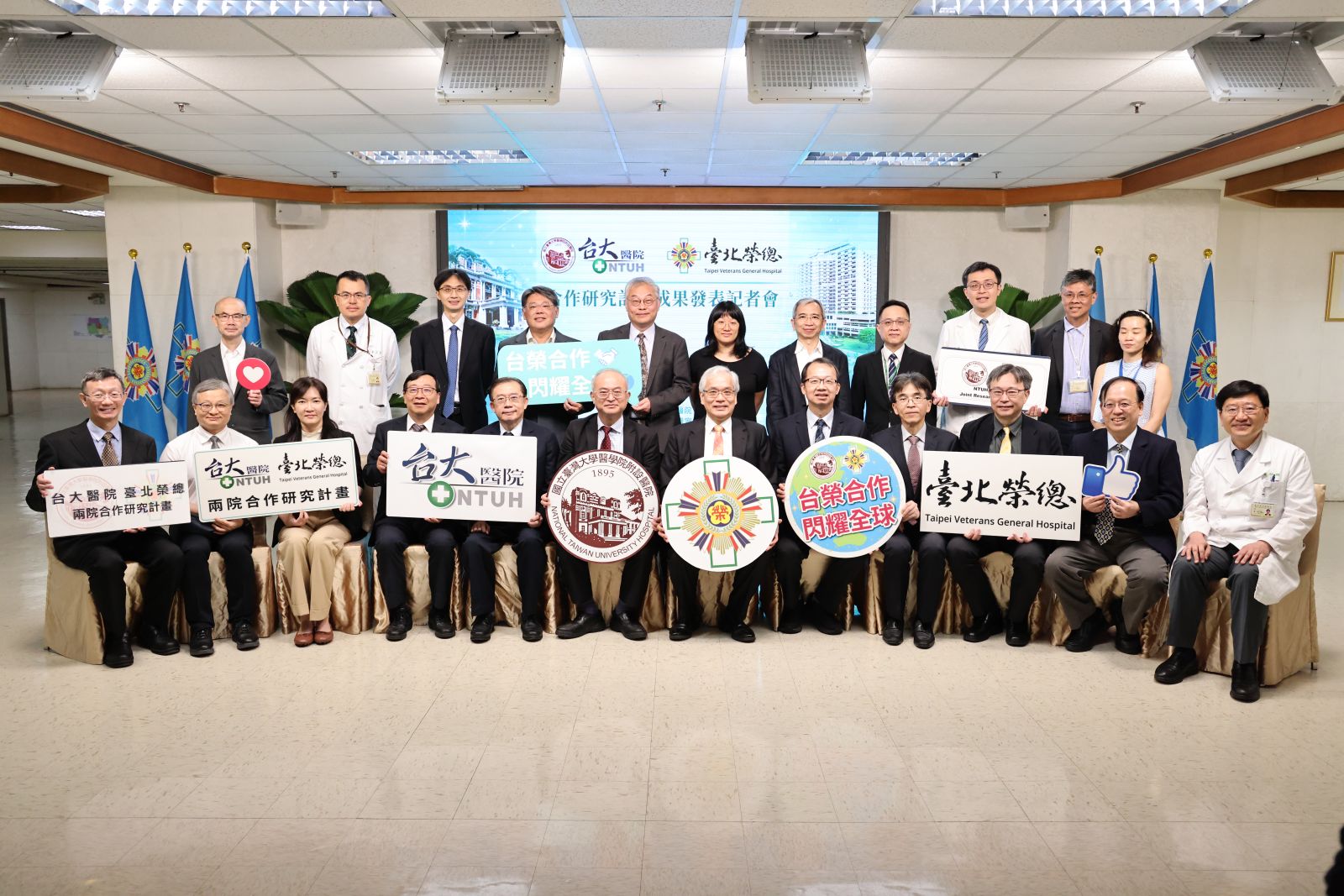 |
| 2024 TVGH-NTUH Joint Research Program Results Press Conference Note: This biennial event was not held in 2025; the next is scheduled for 2026. |
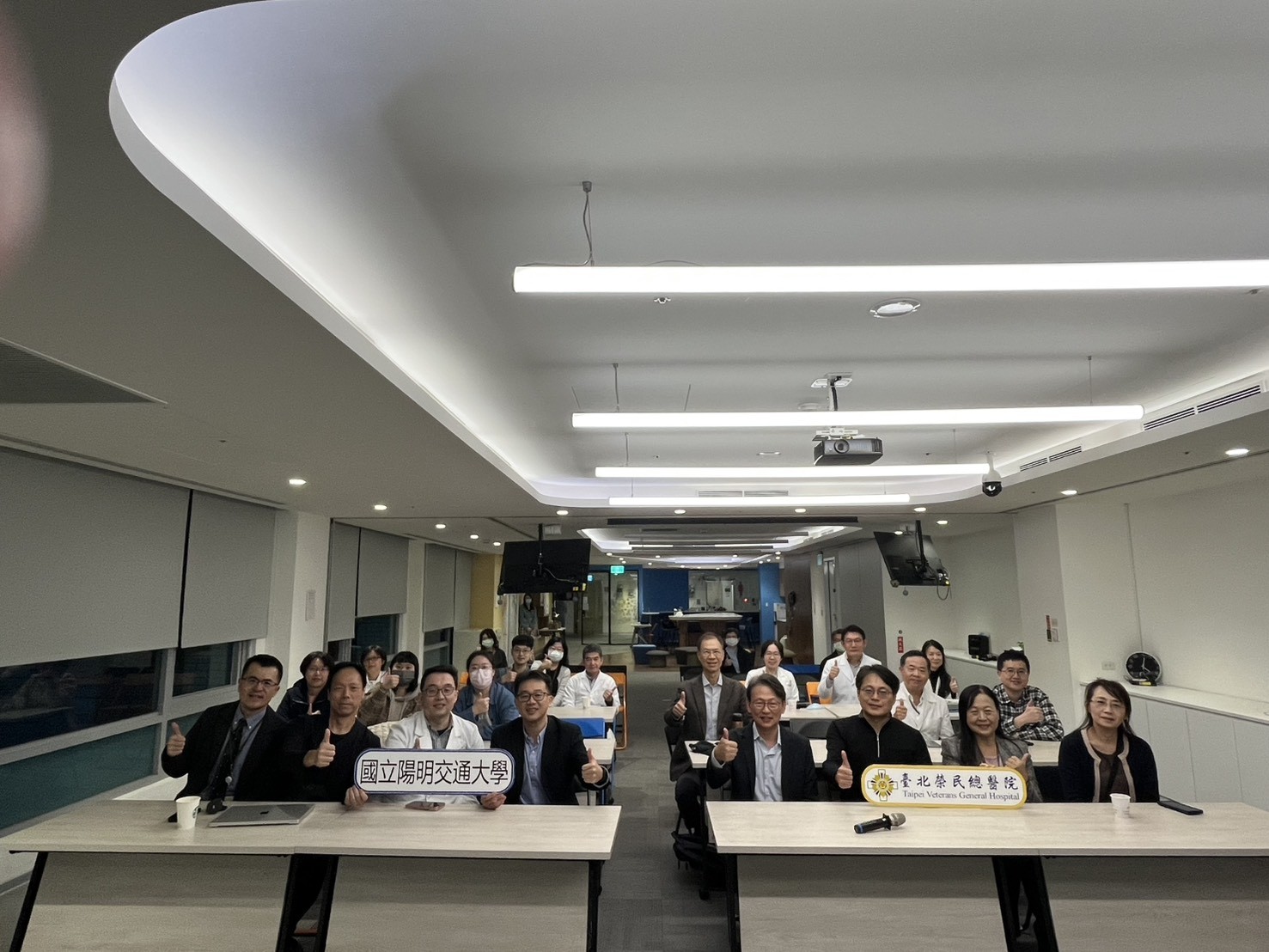
To deepen scientific research collaboration, promote resource sharing, and broaden the depth and scope of academic research, TVGH held the “Taipei Veterans General Hospital × National Yang Ming Chiao Tung University Bilateral Collaboration Meeting” in early 2025. The event attracted enthusiastic participation from faculty members, students, and clinical healthcare professionals across multiple colleges. Through knowledge sharing and the exchange of ideas, participants identified new opportunities for collaboration and breakthroughs across numerous fields. The Hospital hopes the meeting will further stimulate the formation of innovative research teams and generate practical solutions to real-world clinical problems.
.JPG) .JPG) |
| 2025 TVGH × NYCU Bilateral Collaboration Meeting |
Last Modified: