Climate Risks and Opportunities
According to the carbon footprint report published by Health Care Without Harm (HCWH), the healthcare sector accounts for 4.4% of global greenhouse gas emissions, equivalent to the emissions of the world's fifth-largest emitting country. Taipei Veterans General Hospital (TVGH) reduces greenhouse gas emissions through initiatives such as smart healthcare processes, energy-saving measures, and low-carbon lifestyles, while striving to mitigate the impacts of climate change.
Climate Risk and Opportunity Management Framework
TVGH refers to the Task Force on Climate-related Financial Disclosures (TCFD) framework, with the Hospital President serving as the highest governing authority, supported by the Crisis Management Committee and the Sustainable Development Committee. The Crisis Management Committee regularly conducts Hazard Vulnerability Analyses (HVA), develops disaster-specific response guidelines, continuously strengthens mitigation preparedness, conducts education, training, and drills, and establishes external coordination mechanisms to maintain continuity of healthcare services during emergencies. The Sustainability Management Committee assists in managing and advancing sustainability-related actions and performance in support of ESG, net-zero emissions, and the United Nations Sustainable Development Goals.

| Risk Item | Financial Impact | Response Strategy |
| Phys. Risk | Typhoons and Heavy Rainfall; Drought and Water Shortages | Heavy rainfall or drought may cause damage to the Hospital, increasing expenditures for disaster prevention or post-disaster recovery. Because TVGH is located near hillside areas, severe conditions may also trigger landslides or debris flows that disrupt Hospital operations. Adverse weather may make employee commuting more difficult, resulting in additional subsidy expenses. |
In Taipei City, nine hospitals can provide support for patients requiring advanced emergency care. For infectious diseases, there are 16 designated isolation and key hospitals, including TVGH, as well as one additional key hospital. The Hospital has 37 emergency generators and 28 uninterruptible power supply (UPS) systems, providing approximately 24-72 hours of emergency power. Hazard Vulnerability Analyses (HVA) are conducted regularly. Mitigation and preparedness measures are implemented for the top 24 risks, and performance results are reported to the Crisis Management Committee. The Hospital's total water storage capacity exceeds 8,000 metric tons, while daily water consumption is approximately 5,000-5,500 metric tons. In the event of a water outage, medical water use is prioritized. A well-water treatment facility can also provide 2,000 metric tons of groundwater per day, enabling the Hospital to cope with emergency conditions for an estimated 72 hours. Employee dormitories are provided, with priority given to employees who live farther away, reducing commuting difficulties. |
| Phys. Risk | Emerging Infectious Diseases | Emerging infectious diseases may sharply increase demand for medical care, potentially exceeding healthcare capacity and requiring additional staffing and resources. | One mass-casualty tabletop exercise and one full-scale drill are conducted each year. One emerging infectious disease drill is conducted annually. The Hospital is transitioning toward smart healthcare and increasing automation to reduce manpower requirements. |
| Phys. Risk | Medical Equipment, Supplies, and Drug Supply Risk | Climate change may increase transportation lead times for imported medical supplies, pharmaceuticals, and equipment, resulting in losses caused by supply disruptions. | The Supply Office maintains more than 300 ping of warehouse space, with temperature controlled at 24°C and relative humidity below 70%, providing an average 14-day inventory of medical supplies. In addition, pursuant to the All-out Defense Mobilization Readiness Act and the Regulations Governing Mobilization and Control of Pharmaceutical and Medical Device Reserves, the Hospital maintains reserves of 72 categories of medical supplies and strategic materials sufficient for 12,500 people. |
| Opportunity Item | Financial Impact | Response Strategy |
| Build Hospital Resilience and Improve Energy and Resource Efficiency | Develop telemedicine to overcome spatial limitations, create revenue by serving more patients, and save operational resources and costs. Replace aging equipment and install solar photovoltaic systems to generate energy-saving benefits. |
Continue developing the video consultation system, explore cross-departmental system integration, and expand diverse applications of the video outpatient service platform. Ensure that new buildings comply with smart building requirements. |
| Advance Smart Transformation and Develop Low-Carbon Healthcare | The initial development of smart healthcare requires substantial investment in equipment and technology. Smart healthcare can reduce resource consumption and manpower requirements. |
A Smart Healthcare Committee has been established. Continue advancing smart healthcare. |
Moving Toward a Low-Carbon Hospital
In 2025, TVGH consumed 563,392.47 GJ of energy and emitted a total of 68,546.17 metric tons of CO2e. Electricity accounted for the largest share of energy consumption. Category 1 and Category 2 greenhouse gas emissions were 14,486.64 and 54,059.53 metric tons of CO2e, respectively. To effectively reduce greenhouse gas emissions, the Hospital continues to advance three major areas: smart healthcare processes, improved energy efficiency, and low-carbon lifestyles, with the goal of becoming a low-carbon hospital. No ozone-depleting substances (ODS) were used in 2025.
Improving Energy Efficiency
To improve energy efficiency, TVGH reduced carbon emissions by replacing lighting systems, transformers, chilled-water units, air handling units, and exhaust fans. In 2025, these measures saved a total of 1,877,428 kWh of electricity and reduced emissions by 874,881.46 kg CO2e.
The Engineering and Maintenance Office reviews and updates the Hospital's five-year replacement, improvement, and expansion investment plan on a rolling basis each year. In 2025, the plan for 2027-2031 was revised. Projects carried out in 2025 included replacement of aging chillers at Outpatient Building 1 under an ESCO project, replacement of 10 air handling units, replacement of one 550 RT chiller and installation of one additional cooling tower at Outpatient Building 3, and replacement of two 120 RT chillers at the Lakeside Outpatient Building.
| Energy-Saving Measure | Quantity |
Electricity Saved in 2025 (kWh) |
Carbon Reduction in 2025 (kg CO2e) |
| Replace Aging Lighting Fixtures with LED Lighting | 3,047 fixtures | 390,611 | 182,024.73 |
| Replace Aging High-Voltage Transformers with High-Efficiency Transformers | 4 units | 59,256 | 27,613.30 |
| Replace Chilled-Water Units | 3 units | 279,350 | 130,177.10 |
| Replace Air Handling Units | 10 units | 115,360 | 53,757.76 |
| Replace Exhaust Fans | 13 units | 641,500 | 298,939.00 |
| ESCO Project for Replacement of Aging Chillers at Outpatient Building 1 | 2 units | 391,351 | 182,369.57 |
| Total | 1,877,428 | 874,881.46 |
| Note: Carbon reductions for 2025 were calculated using the 2025 electricity emission factor of 0.466 kg CO2e/kWh. |
Digitalization of Hospital Operations
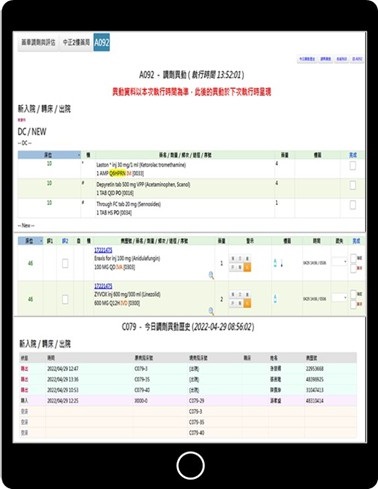 |
Tablet-Assisted Inpatient Unit Dose (UD) Dispensing Description: Pharmacists utilize tablet computers to assist in inpatient UD (unit dose) dispensing. The system receives real-time updates on inpatient prescription changes and connects directly to integrated pharmaceutical databases to evaluate prescription accuracy. Compared to traditional practices—which require daily printing of paper prescription details and manual order modifications—this significantly streamlines workflow and enhances the efficiency of prescription evaluation and dispensing. Outcome: Reduced dispensing near-miss rate by 47.8%. Saves approximately 1,137,800 sheets of A4 paper annually, equivalent to a reduction of 7,008.85 kg CO₂e Note 1. |
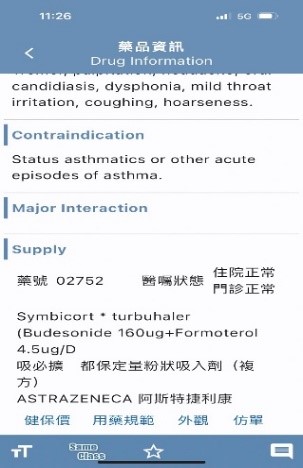 |
Smart Formulary App Description: The electronic formulary provides clinical medical staff with convenient access for inquiries. It is simultaneously integrated with the Physician Order Entry System, the Nursing Barcode-Assisted Medication Administration Safety Verification System, and the Pharmacist Barcode-Assisted Dispensing Verification and Distribution System, offering an efficient information channel. Outcome: Saves approximately 26,508 sheets of paper annually, reducing emissions by 163.29 kg CO₂e. |
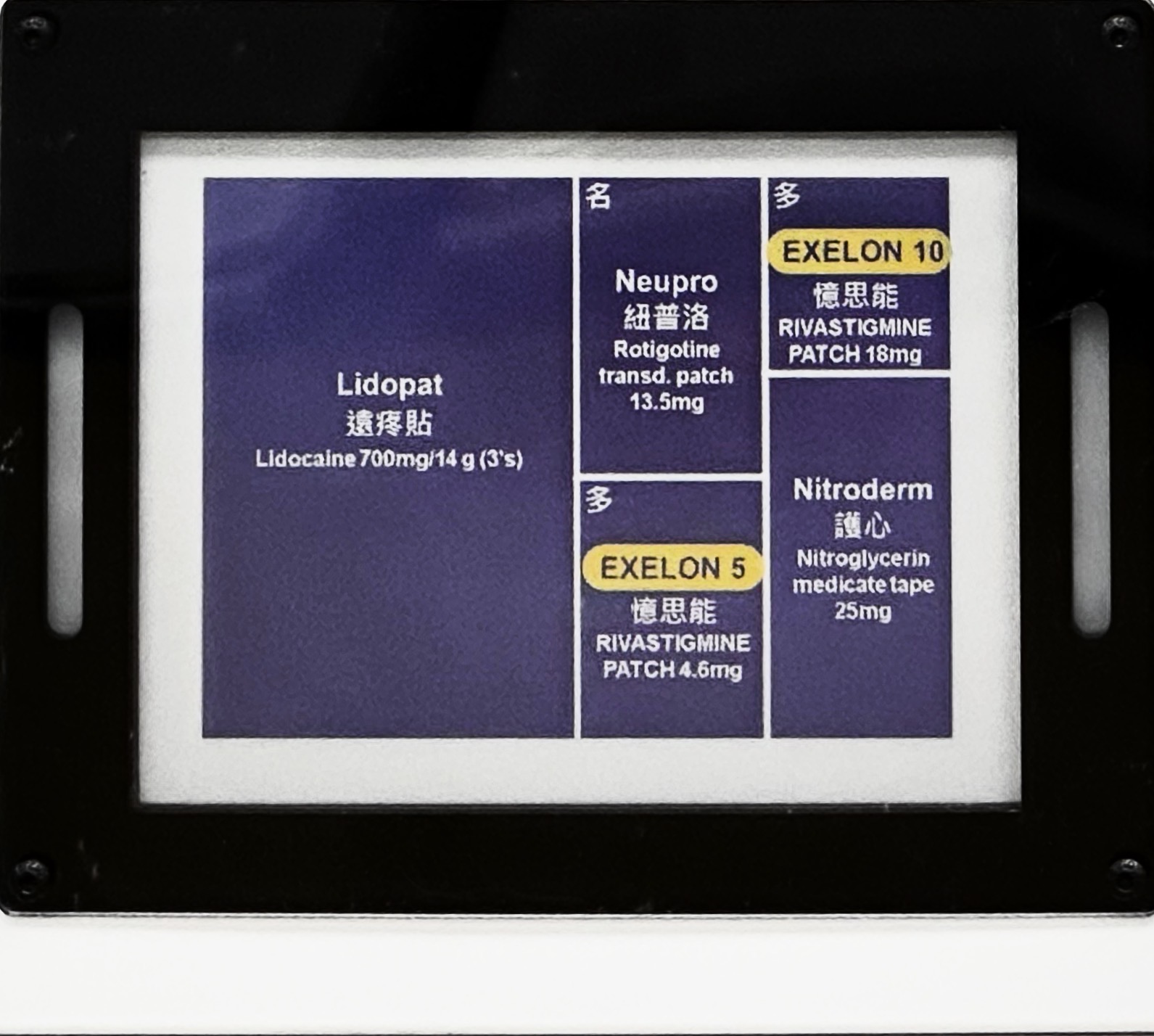 |
Green Energy Electronic Shelf Labels (ESL) for Pharmaceuticals Description: Smart electronic shelf labels (ESL) for pharmaceutical information displays were implemented in drug warehouses and inpatient pharmacies, fully integrated into inventory management, smart dispensing counters, and smart medication carts. The hospital utilizes full-color e-paper displays capable of showing intuitive graphic alerts for high-alert, chemotherapy, or controlled medications. Their low-temperature operational capability also makes them suitable for refrigerated storage cabinets. Linked to the medication inventory system, the electronic labels automatically update expiration dates periodically and trigger visual color-coded expiration alerts. Furthermore, the system automatically interfaces with the hospital's drug master database to display real-time, updated pharmaceutical information, reducing the risk of manual data entry errors. Outcome: Saves approximately 30.72 minutes per label replacement operation, boosting overall efficiency by 76.8%. Overall pharmacist satisfaction averages over 90%. Saves at least 330.45 sheets of A4 paper and laminating films annually, reducing emissions by 2.04 kg CO₂e. |
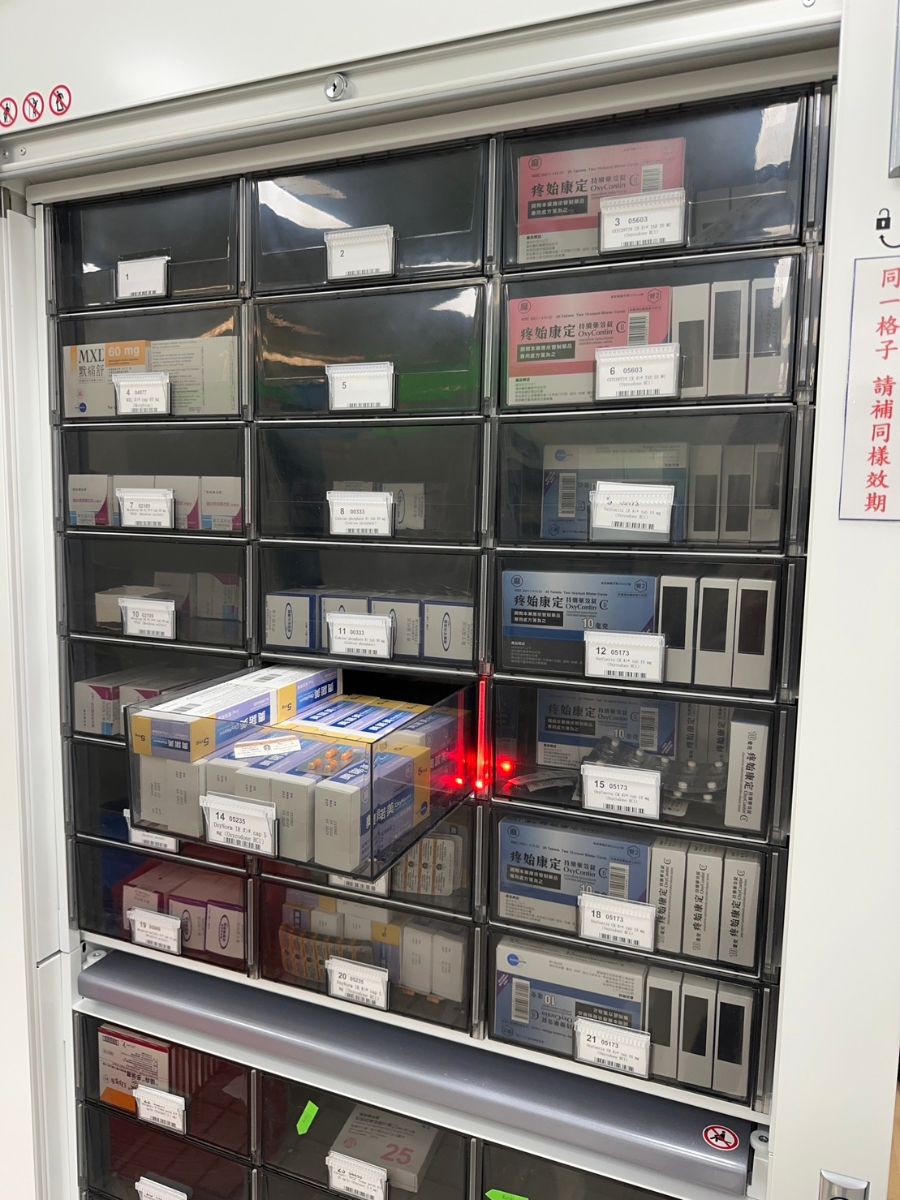 |
Smart Controlled Substance Automatic Dispensing Cabinet (ADC) Description: Smart controlled substance cabinets (ADCs) were introduced across outpatient, inpatient, and emergency pharmacies, as well as drug warehouses. Featuring a "one medication per bin" design with clear external labeling and automated locking controls, pharmacists log in and scan prescription slips, prompting the cabinet lights to indicate the item and automatically unlock the bin with the nearest expiration date. The system automatically logs prescription details and dispensing pharmacists' names, linking with inventory to automatically deduct stock. For inpatients, after verifying nursing staff identity, scanning the patient's barcode, and confirming the prescription, detailed usage records for controlled substances are logged transaction-by-transaction into the Nursing Drug Management System (NDMS). The pharmacy can monitor this simultaneously, achieving full electronic tracking of medication flow and enforcing a two-way control mechanism. Outcome: Utilizing the smart ADCs reduced physical inventory check time by approximately 38% and dispensing processing time by 60–70%. Saves approximately 3,115.67 sheets of paper annually, reducing emissions by 23.02 kg CO₂e. |
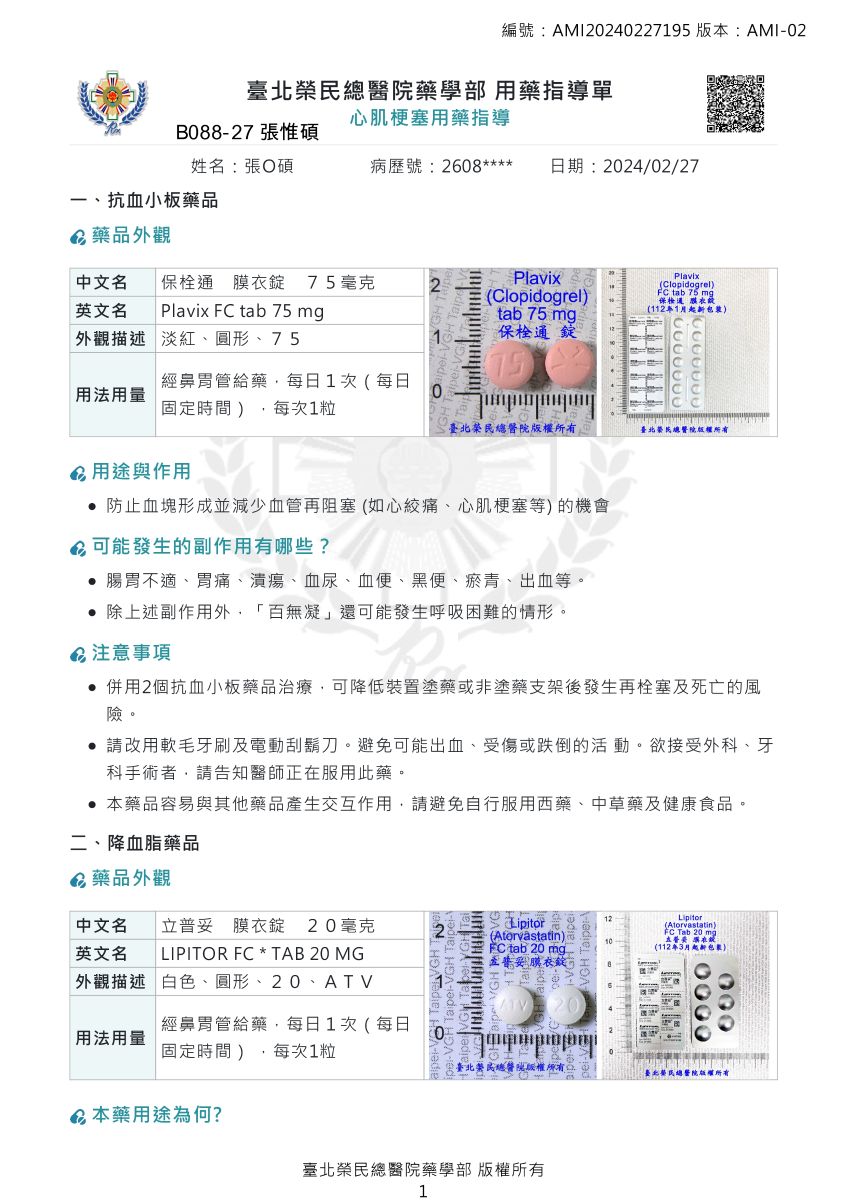 |
Smart Medication and Case Disease Management System Description: The hospital possesses Taiwan's most comprehensive system for assisting in the generation of medication instruction sheets. Its primary feature is the graphical integration of prescription drug data spanning up to 18 months across four sources: outpatient, inpatient, emergency, and the NHI Cloud Medication Record. It automatically generates personalized medication instruction leaflets for cross-prescription polypharmacy, assisting pharmacists in mastering patient treatment histories and conducting medication continuity assessments. Additionally, it can plot drug concentration-time curves over a 6-month period, listing actual blood sampling and drug administration times while automatically calculating time differences, thereby enhancing the continuity and service efficiency of the medical team and clinical pharmacists. Outcome: In 2025, pharmacists conducted advanced medication counseling for a total of 1,906 patient-visits. Utilizing digital instruction sheets saved 3,812 sheets of A4 paper annually, reducing emissions by 23.53 kg CO₂e. |
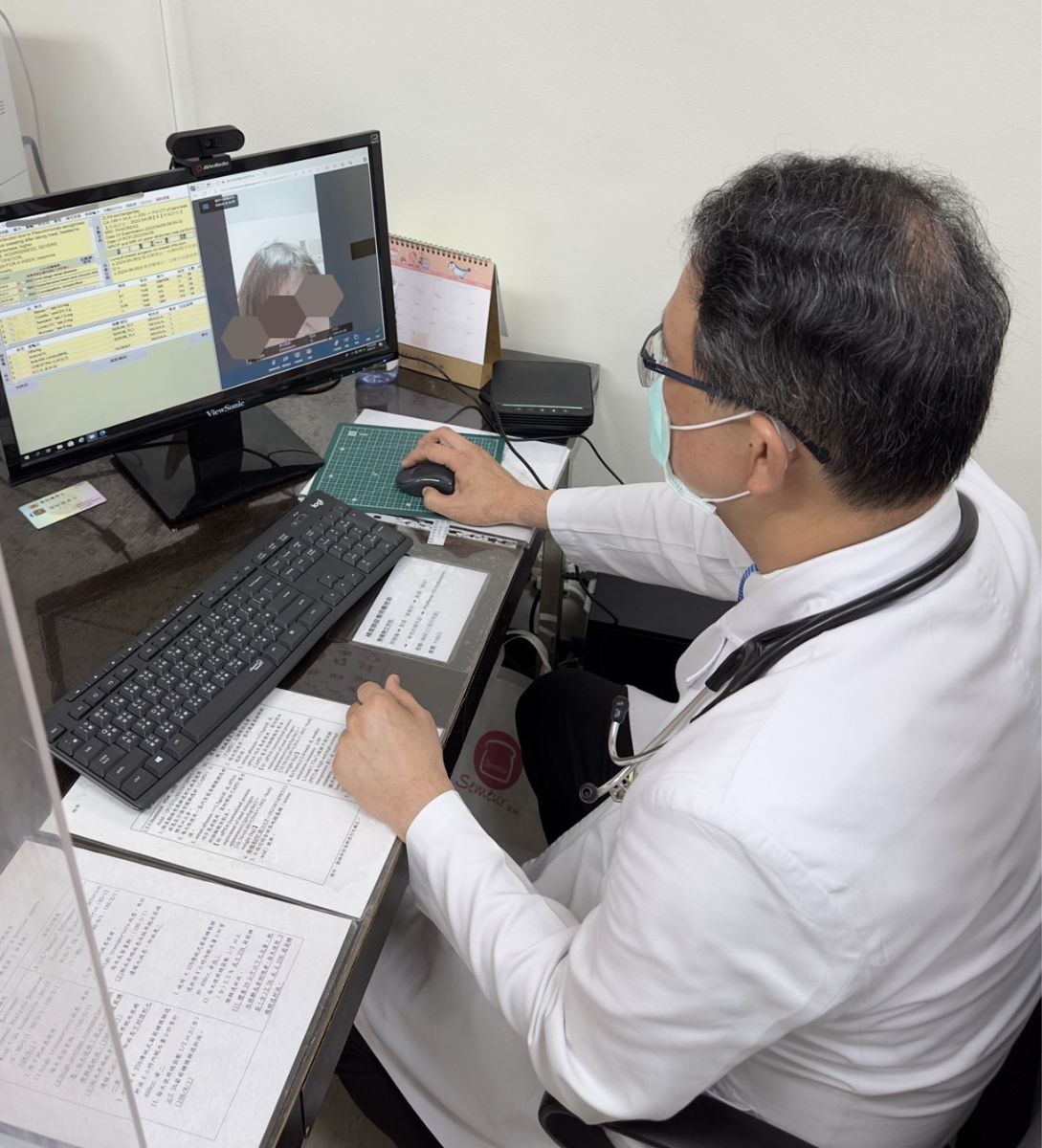 |
Telemedicine Description: The hospital's virtual outpatient management system features a complete Virtual NHI Card authorization function. Nursing staff screen and forward an appropriate volume of authorized patients to the physician, maintaining smooth consultation flow. Virtual outpatient clinics support real-time registration and entry into virtual consultation rooms, which can also apply to emergency room operations. Patients can upload physiological measurements (such as blood pressure and body temperature) beforehand via Bluetooth devices or manual entry. During the waiting phase, they can also enter chief complaints and upload photos of lesions for medical staff review. On the consultation day, patients complete virtual medical encounters, pay via mobile payment, and collect medications at nearby community pharmacies after receiving their mailed prescription slips from the hospital. Outcome: In 2025, telemedicine consultations totaled 173 patient-visits, reducing transportation emissions by approximately 96,880.00 kg CO₂e Note 2. |
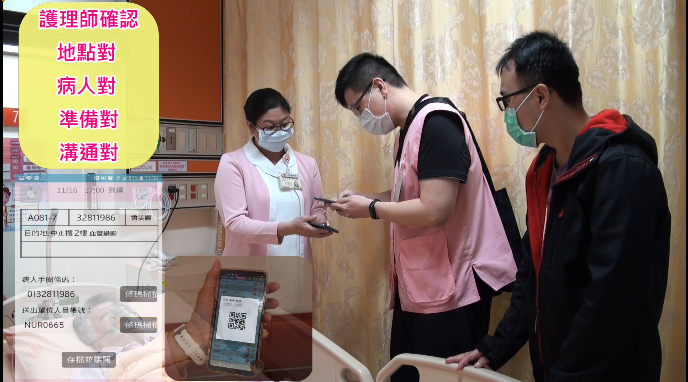 |
HHKS Support Service Integration System Description: To enhance communication and safety during patient handovers, the hospital implemented the Support Service Integration System (HHKS) to establish a Patient Transport Safety Net across all hospital locations, along with a mobile application to assist in transport operations. Building upon patient transport safety, the hospital incrementally developed an Item Transport Safety Net, covering specimen and blood product transport, chemotherapy medication delivery, and the integration of inpatient ward support operations. Outcome: Escorted patients totaled 514,177 records in 2025, saving an annual average of approximately 3,907,745 paper records and reducing estimated emissions by 24,071.71 kg CO₂e. |
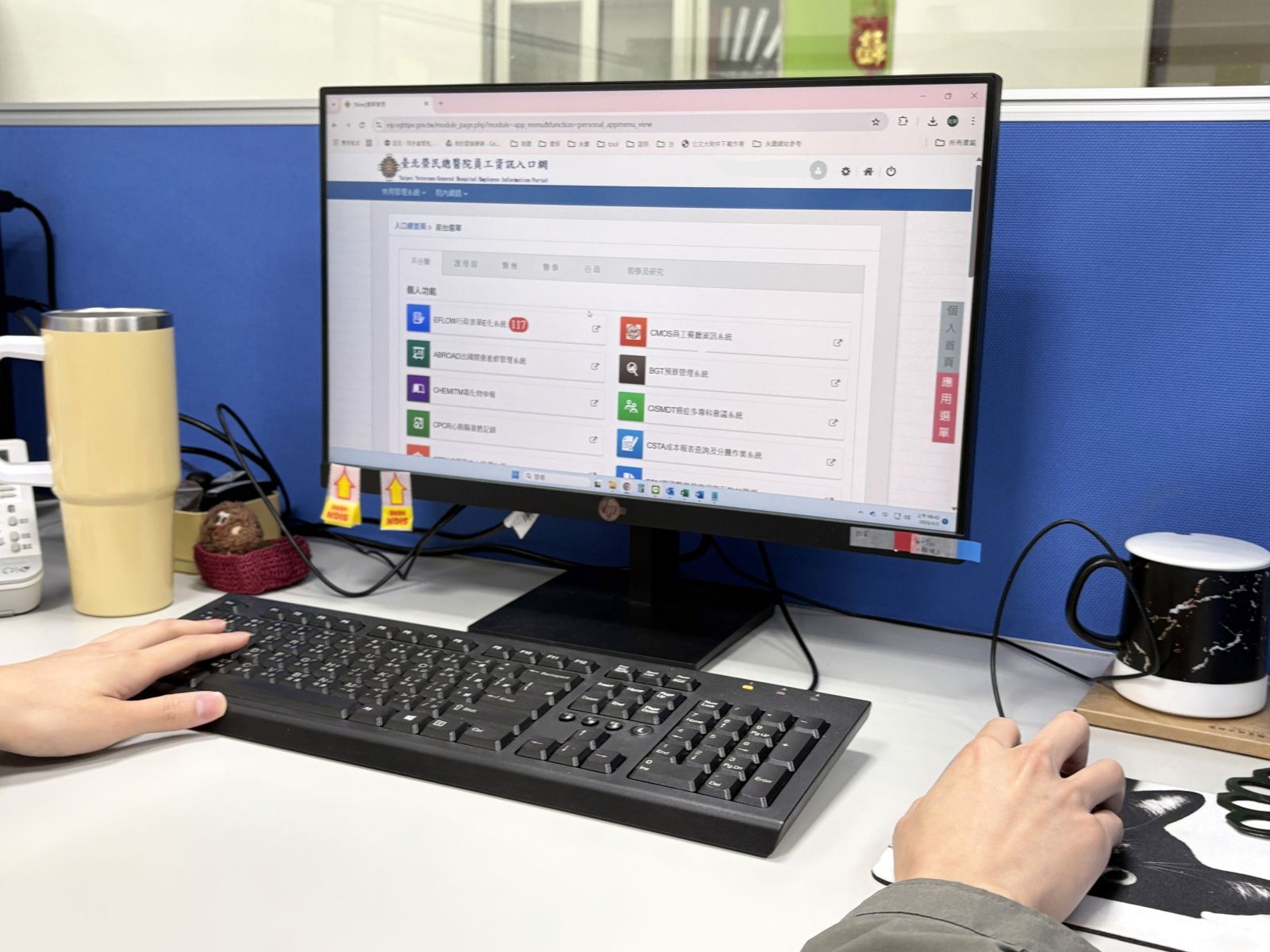 |
Paperless Policy Description: The hospital is committed to promoting paperless operations through initiatives such as promoting mobile app usage, consolidating outpatient forms, streamlining various document templates, digitizing medical records and consent forms, digitizing credit card receipts, digitizing equipment maintenance and new machine handover inspections, consolidating contracts, and implementing paperless administrative workflows. Outcome: Saved approximately 2,901,154 sheets of A4 paper in 2025, reducing emissions by approximately 17,871.10 kg CO₂e |
Note 1: Based on 3.08 kg CO2e generated per ream of A4 paper (500 sheets), each sheet generates approximately 0.00616 kg CO2e.
Note 2: Based on an average medical travel distance of approximately 7 km per person in municipalities and a bus emission factor of 40 g CO2e/km, a 14 km round trip generates 560 g CO2e per person.
Promoting Low-Carbon Lifestyles
TVGH promotes low-carbon living across three dimensions: food, accommodation, and transportation. In the food dimension, online meal-ordering systems have replaced paper order forms. Disposable bamboo chopsticks previously provided with delayed-meal lunch boxes for operating room staff have been replaced with reusable stainless-steel chopsticks that are collected, washed, and reused. This reduces the use of approximately 201,221 pairs of disposable bamboo chopsticks each year, equivalent to an estimated reduction of 10,061.05 kg CO2e (Note 3).
The Hospital also promotes food-waste reduction through diversified meal options, precise ingredient management, public awareness campaigns, reuse of surplus ingredients, and adjustments to procurement strategies. These measures reduce food waste and methane emissions from landfilled food waste. In 2025, food waste decreased by 18 metric tons compared with 2024, corresponding to an estimated reduction of 37,080 kg CO2e (Note 4). The Department of Nutrition also organized low-carbon dining initiatives in the employee cafeteria. In 2025, vegetarian and plant-based options were offered at lunch and dinner every day, including one plant-based noodle option daily, a plant-based breakfast every Monday, and plant-based set meals. A total of 78,333 meals were served to reduce the carbon footprint. Plant-based meals were estimated to reduce emissions by 2.02 kg CO2e per meal and vegetarian meals by 2.59 kg CO2e per meal. Of these, 39,803 plant-based meals reduced emissions by 80,402 kg CO2e (Note 5), while 38,530 vegetarian meals reduced emissions by 99,793 kg CO2e (Note 5), for a combined reduction of 180,195 kg CO2e.
Note 3: Calculated using a carbon emission factor of 0.05 kg per pair of disposable bamboo chopsticks.
Note 4: According to the Ministry of Environment's Green Transportation Application Information Network, annual carbon reduction from food-waste reduction (t) = annual reduction in waste (food waste) × 2.06.
Note 5: According to the Ministry of Environment's Green Living Information Network, annual carbon reduction from plant-based meal activities (kg) = number of plant-based meal boxes used (or participants) × 0.78.
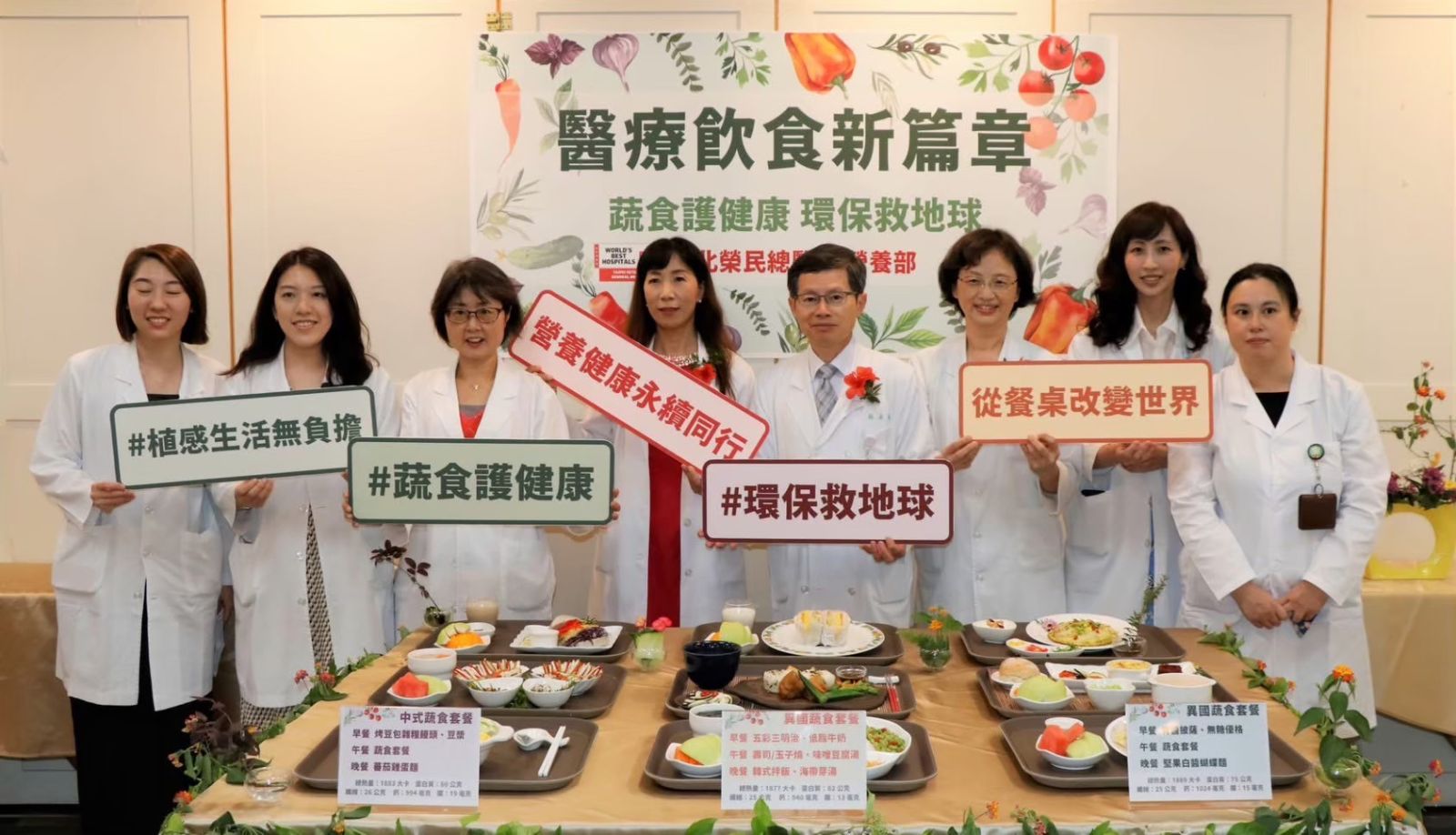 |
| Plant-Based Diets for Better Health and a Greener Planet |
In the accommodation dimension, TVGH complies with Taiwan's EEWH green building assessment system (Ecology, Energy Saving, Waste Reduction and Health). Five Hospital buildings have received green building labels, including one Gold and four Bronze ratings. They meet specified standards across nine indicators: biodiversity, greenery, site water retention, daily energy conservation, carbon dioxide reduction, waste reduction, indoor environment, water resources, and sewage and waste improvement. The Evergreen Building and the Surgery Building have also received a Bronze Smart Building label and a Qualified Smart Building label, respectively. In addition, TVGH is committed to creating relaxing and therapeutic green environments, including rooftop gardens, Wangyou Lake, and green belts throughout the campus. These spaces help relieve stress, support psychological well-being, and absorb carbon dioxide. In 2025, TVGH planted an additional 724 trees and 15,144 shrubs.
| Green Building | Green Building Rating | Smart Building |
|
Chang-Ching Building |
Gold | Bronze |
|
Operating Building |
Bronze | Qualified |
|
Heavy Ion Therapy Center |
Bronze | - |
|
3rd Outpatient Building |
Bronze | - |
|
Gate 3 Underground Parking Garage |
Bronze | - |
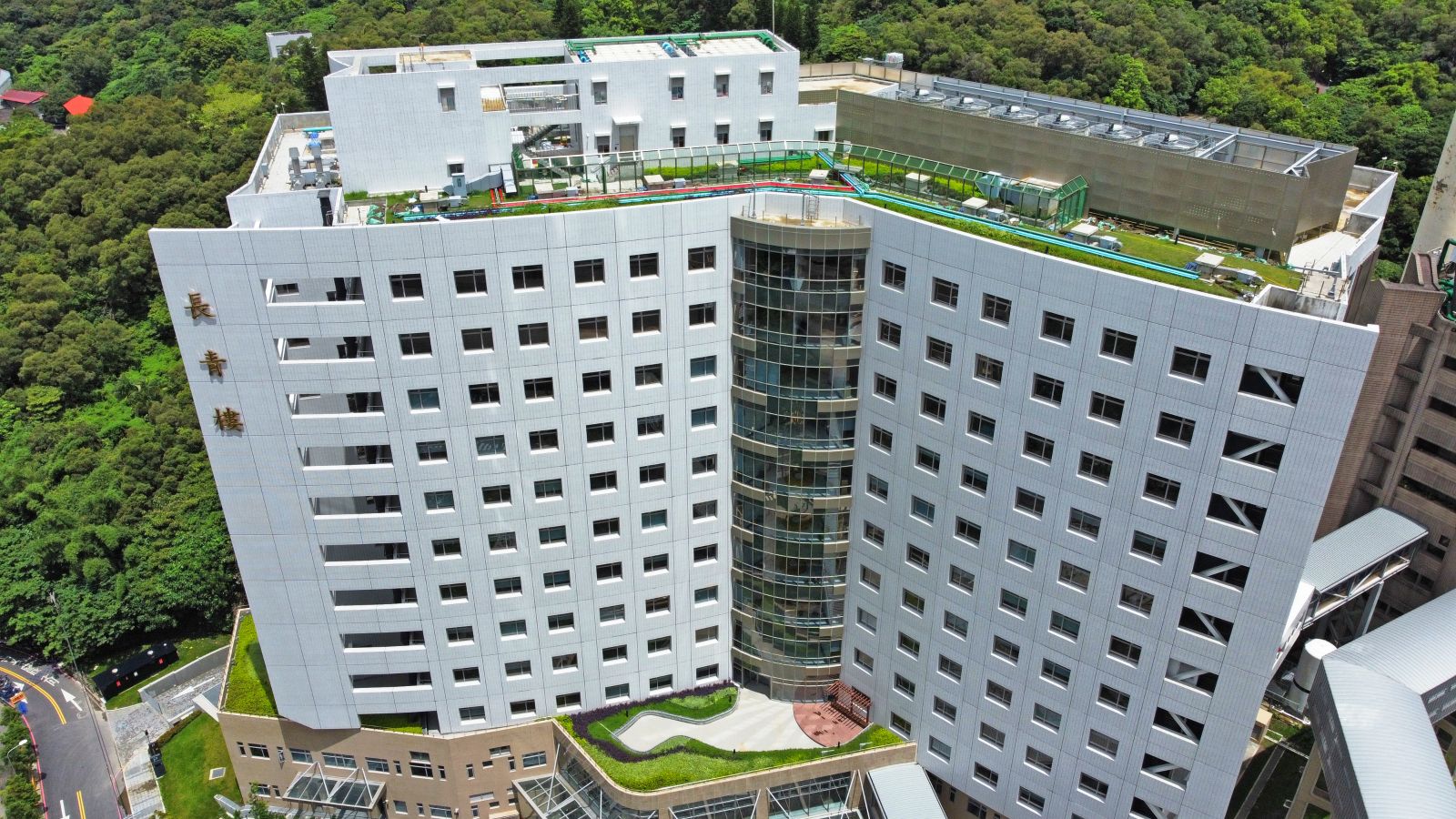
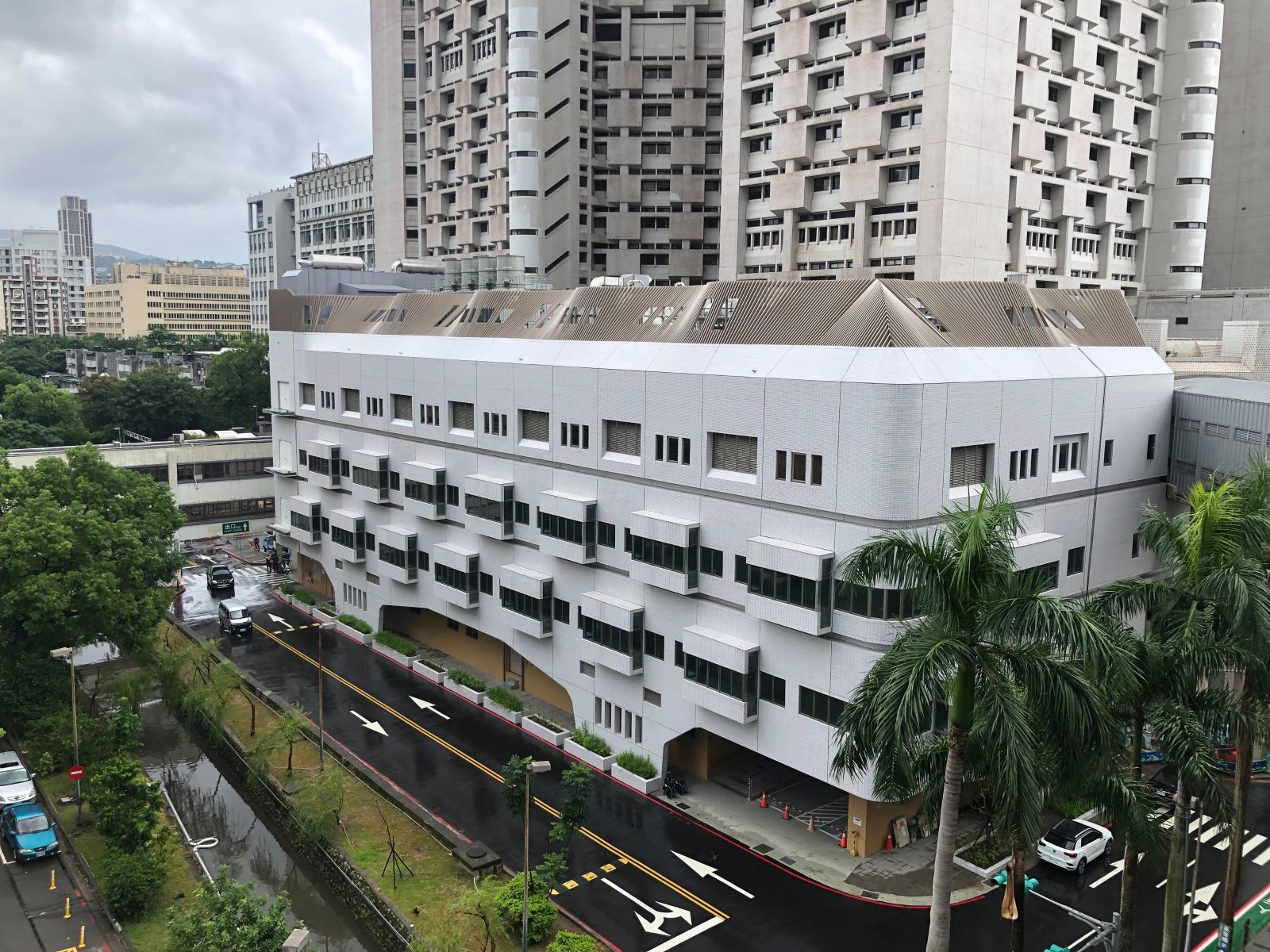
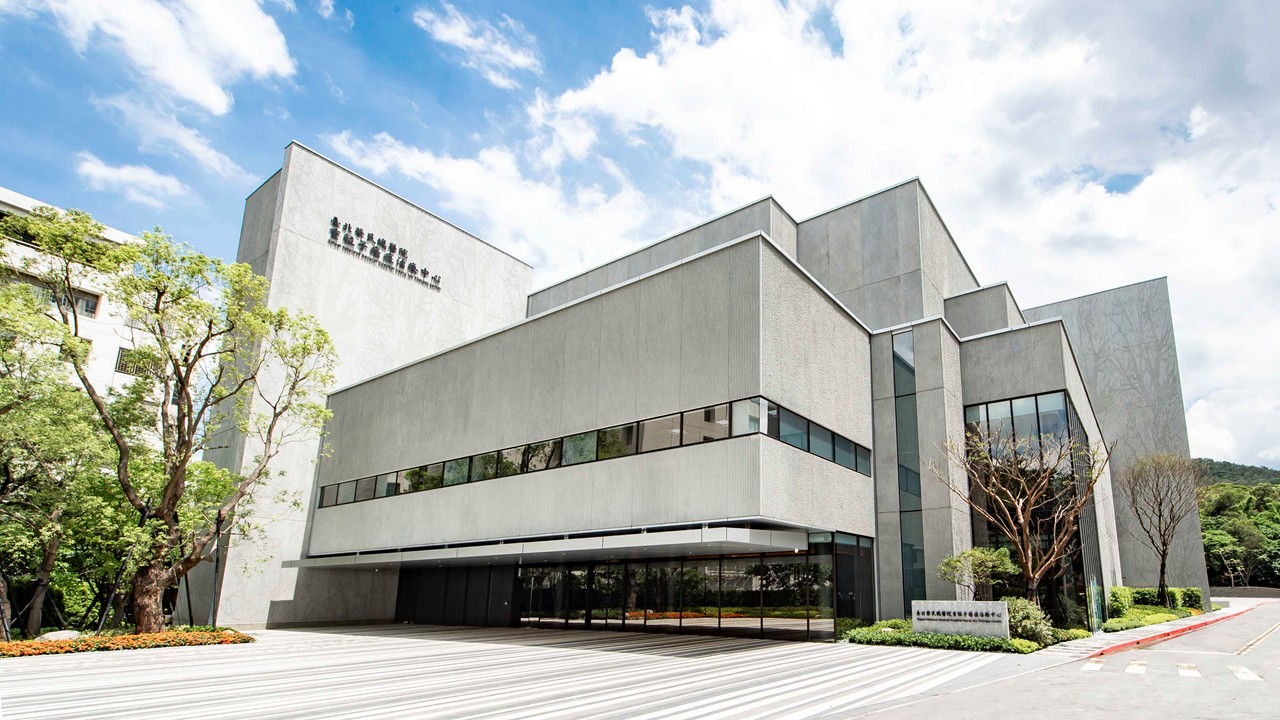
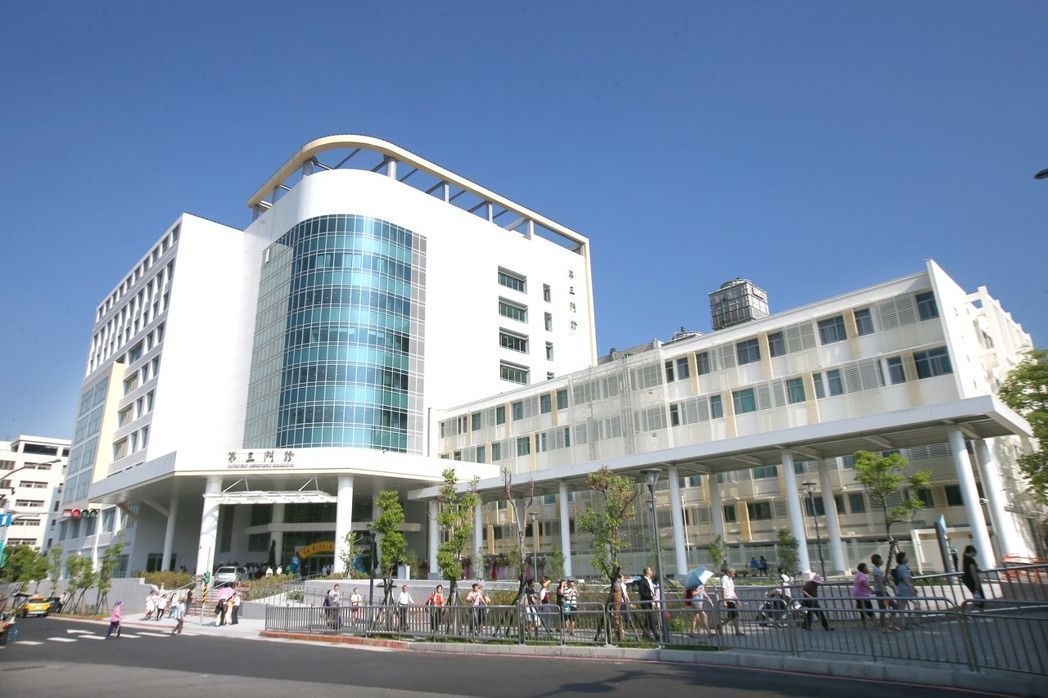
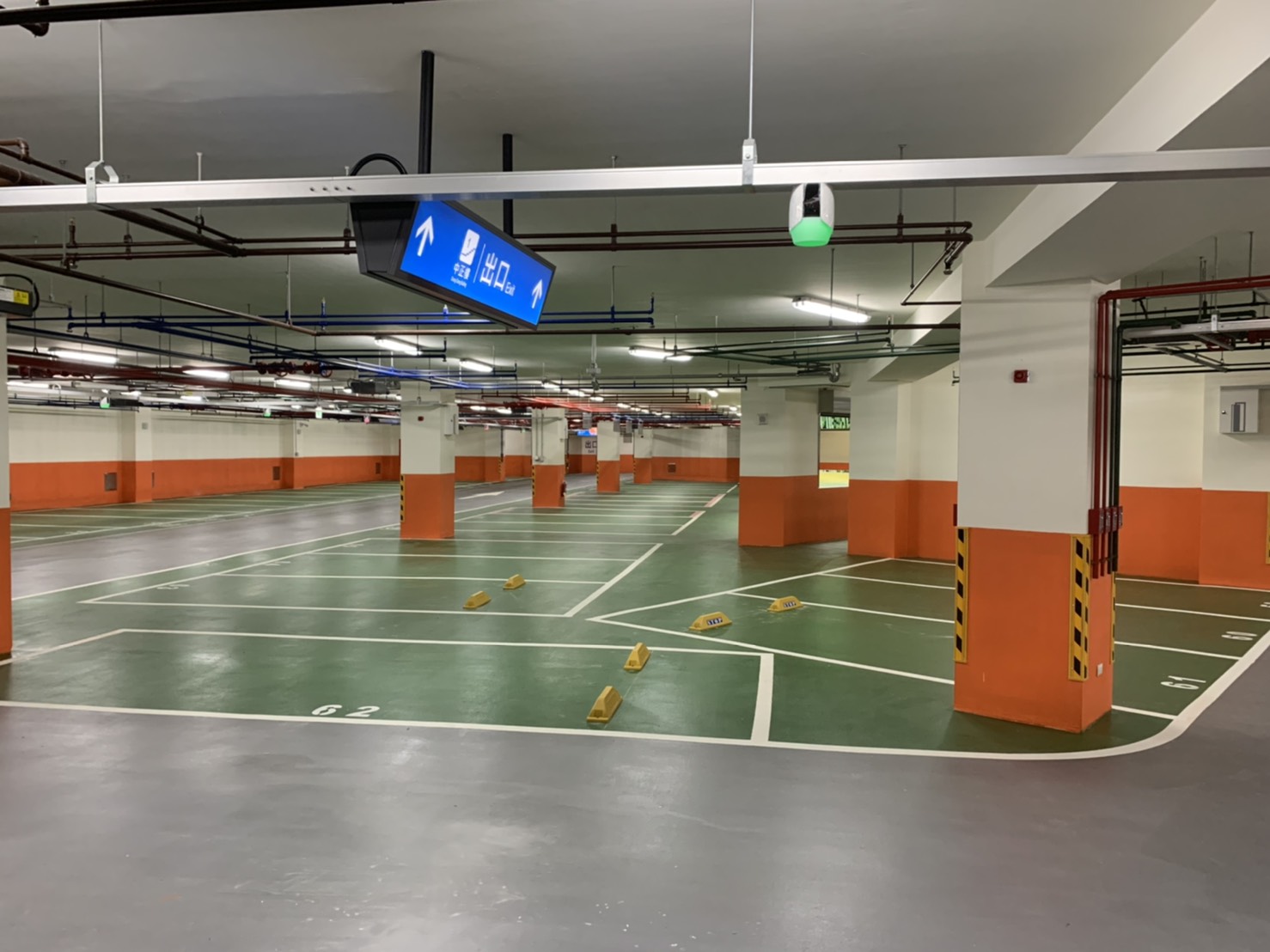
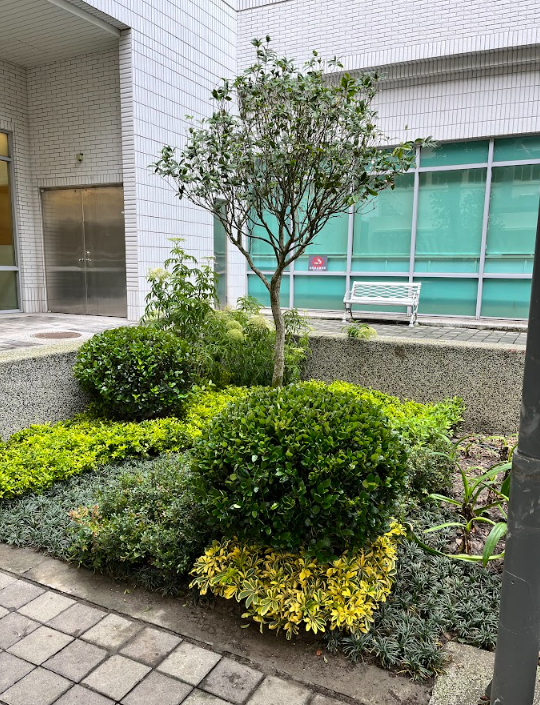 |
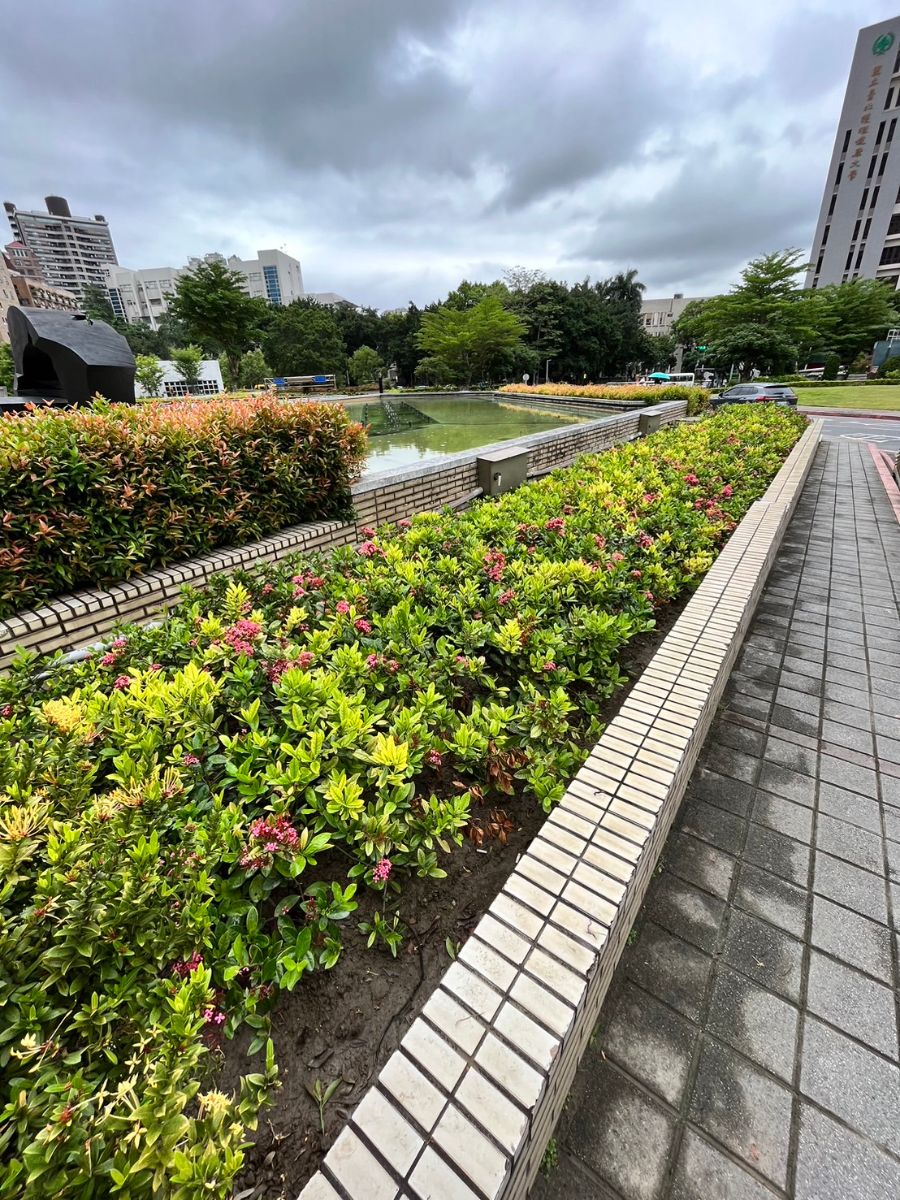 |
| Rest Garden Behind Outpatient Building 3 | Both Sides of the Fountain in Front of Zhongzheng Building |
In the transportation dimension, TVGH operates shuttle buses between Shipai MRT Station and the Hospital to encourage the public to use public transportation instead of private vehicles. In 2025, three 21-seat mid-size buses provided a total of 1,531,113 passenger trips and traveled 129,843 km. Each round trip covered 2.6 km (TVGH-Shipai MRT Station-TVGH), with an estimated emission reduction of 10,127.75 kg CO2e (Note 6).
In line with the Executive Yuan's deep energy-saving and net-zero carbon policies, the Hospital plans to electrify official vehicles. Because no domestically produced replacement model is currently available on the market, electric mid-size buses will be introduced into outsourced service contracts once domestic manufacturers begin mass production. For official passenger vehicles, excluding special-purpose vehicles such as ambulances and accessible transport vehicles, the Hospital plans to replace vehicles in annual phases beginning in 2026 in accordance with Executive Yuan policy, with full replacement scheduled for completion by 2039.
Note 6: Calculated using emission factors published by the Product Carbon Footprint Information Network: 0.115 kg CO2e per passenger-kilometer for passenger cars and 0.078 kg CO2e per passenger-kilometer for Type B buses.
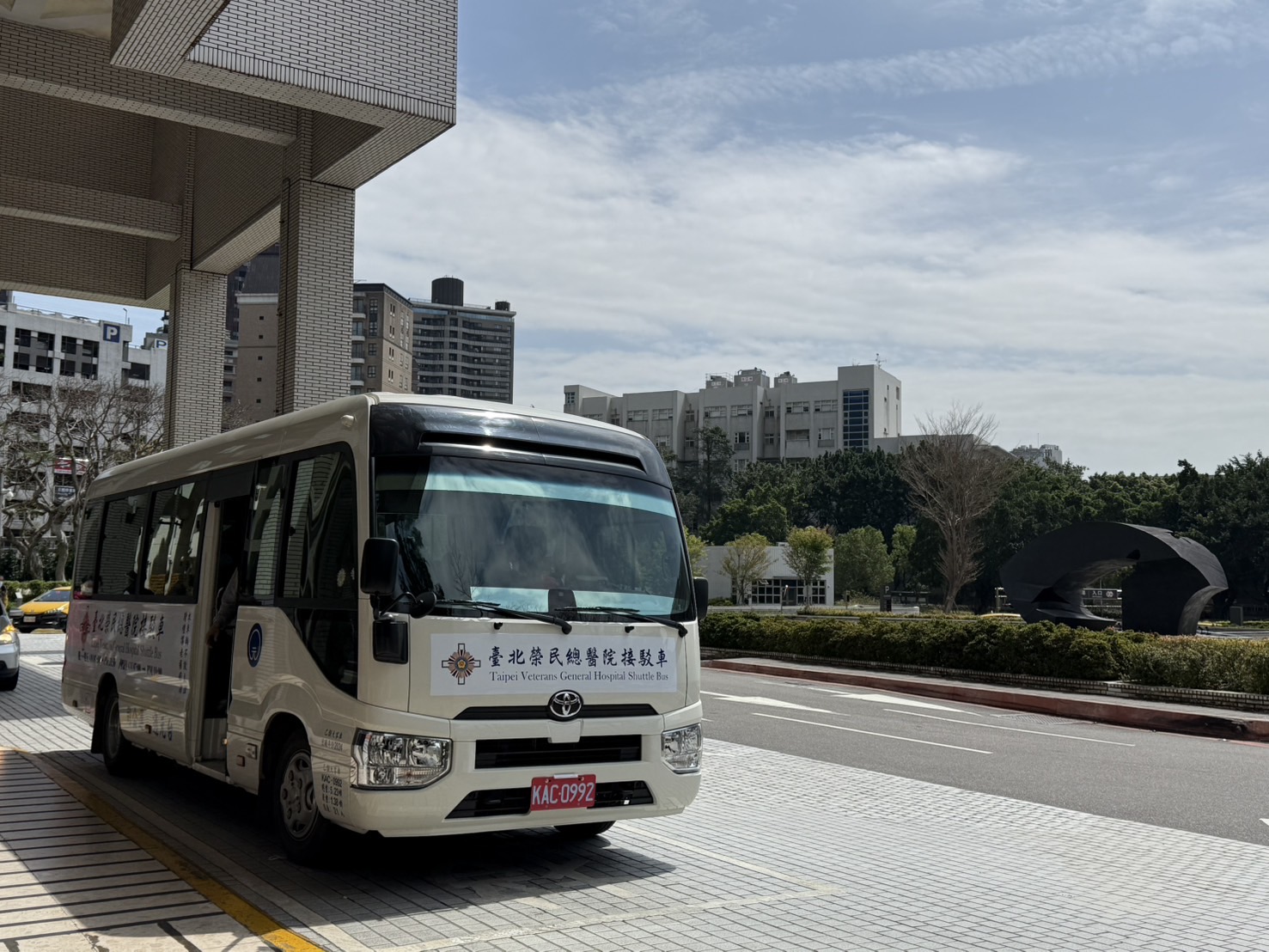 |
| TVGH Shuttle Bus |
Last Modified: