International Research Collaboration
Top-tier Global Medical Research
With the exceptional radiation therapy team and cutting-edge carbon ion therapy equipment, the Hospital has attracted the world-renowned and international leader Mayo Clinic for in-depth collaboration. An MOU was signed between TVGH and Mayo Clinic in 2023. In addition to learning from TVGH's experience in introducing heavy ion therapy technology from Japan, Mayo Clinic is also planning for the establishment of the first heavy ion therapy center in the United States. The two parties have also joined hands to establish a “Joint Research Laboratory” to comprehensively drive innovation in heavy ion therapy technology, marking a new milestone in global cancer treatment.
This “Joint Research Laboratory” is located on the 10th Floor of TVGH Technology Building, and has officially commenced operations in early 2025. Currently, the Mayo Clinic has regularly assigned its top researchers to work on-site at TVGH to jointly conduct fundamental research in heavy ion biology to gain deeper insights into the molecular pathways and biological responses of cancer cells to carbon ion radiotherapy, marking a historic step forward in cutting-edge medical collaboration between Taiwan and the United States. In the future, both parties will continue to work together to develop treatment technologies for various tumors and special cancers, and jointly apply for a multi-year multinational medical research project with the National Science and Technology Council of Taiwan and the National Institutes of Health (NIH) of the United States, aiming to create a better world together with outstanding academic achievements.
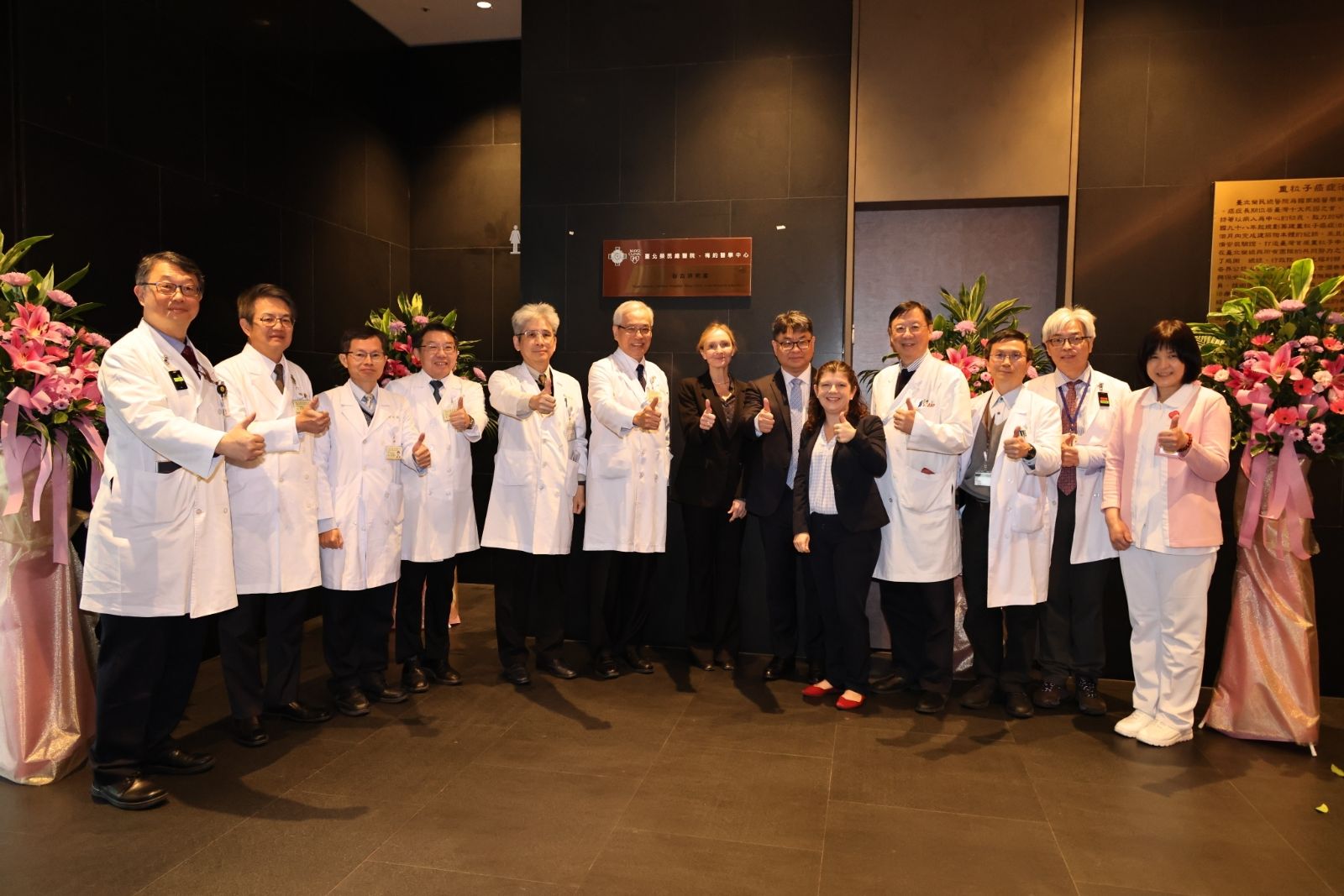 |
| Professor Laura A. Vallow and her team from the Mayo Clinic jointly unveiled the Joint Research Laboratory of the Heavy Ion Therapy Center. |
International Collaborative Research on Pancreatic Cancer
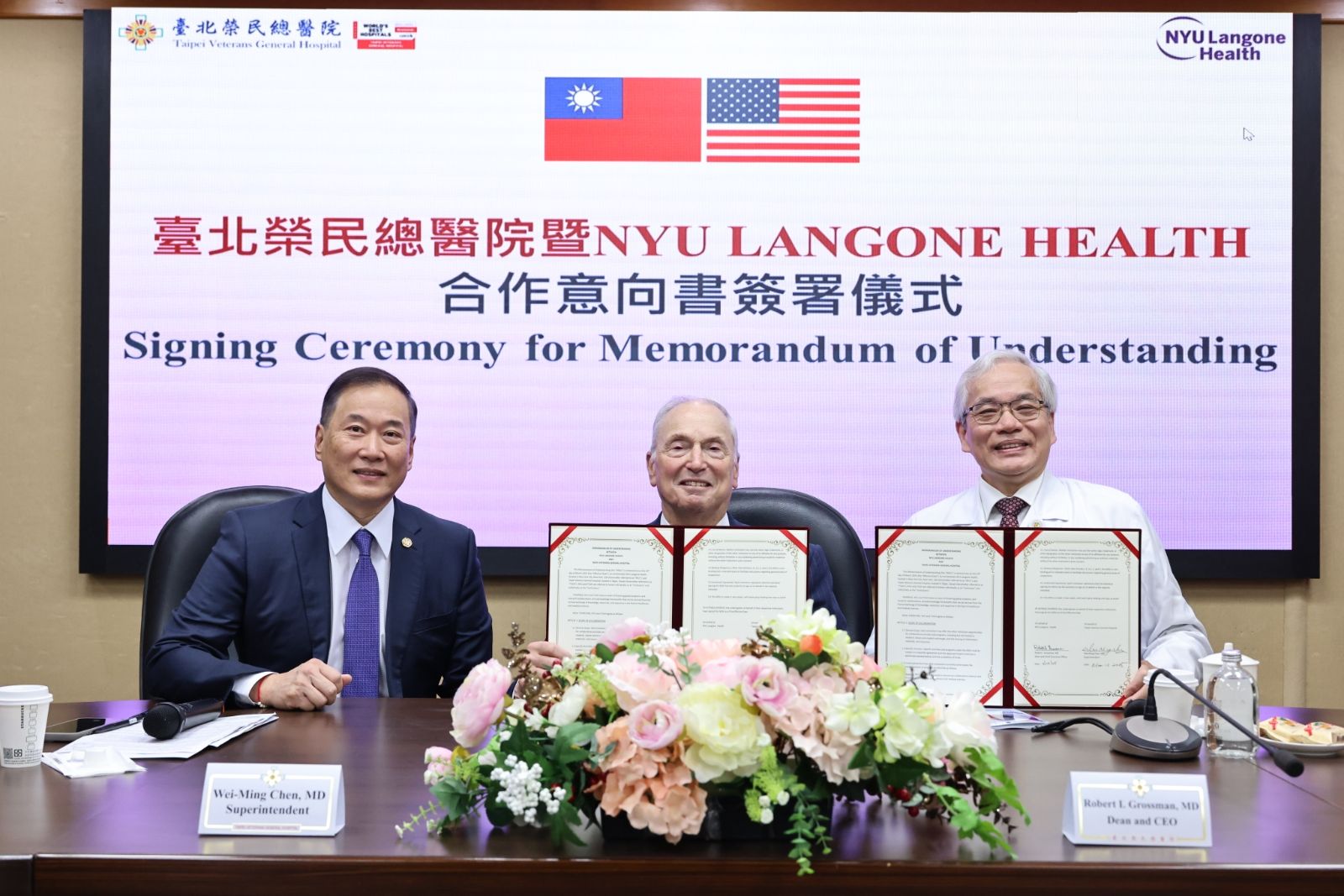
New York University Langone Health is one of the world’s leading medical centers. With the active facilitation of NYU Trustee Mr. Andre J.L. Koo, TVGH and NYU Langone Health have engaged in multiple substantive visits and academic exchanges since 2023. Both parties officially signed a MOU in March, 2025, marking the first and only overseas MOU signed by NYU Langone Health. Moving forward, the two institutions will jointly pioneer innovative clinical treatment models and cutting-edge medical research, with pancreatic cancer treatment as the first major collaborative initiative. The partnership will encompass heavy ion radiotherapy, international patient referral, and research data sharing, comprehensively deepening the partnership between the two parties and enhancing Taiwan's core influence in the international cancer treatment field.
 |
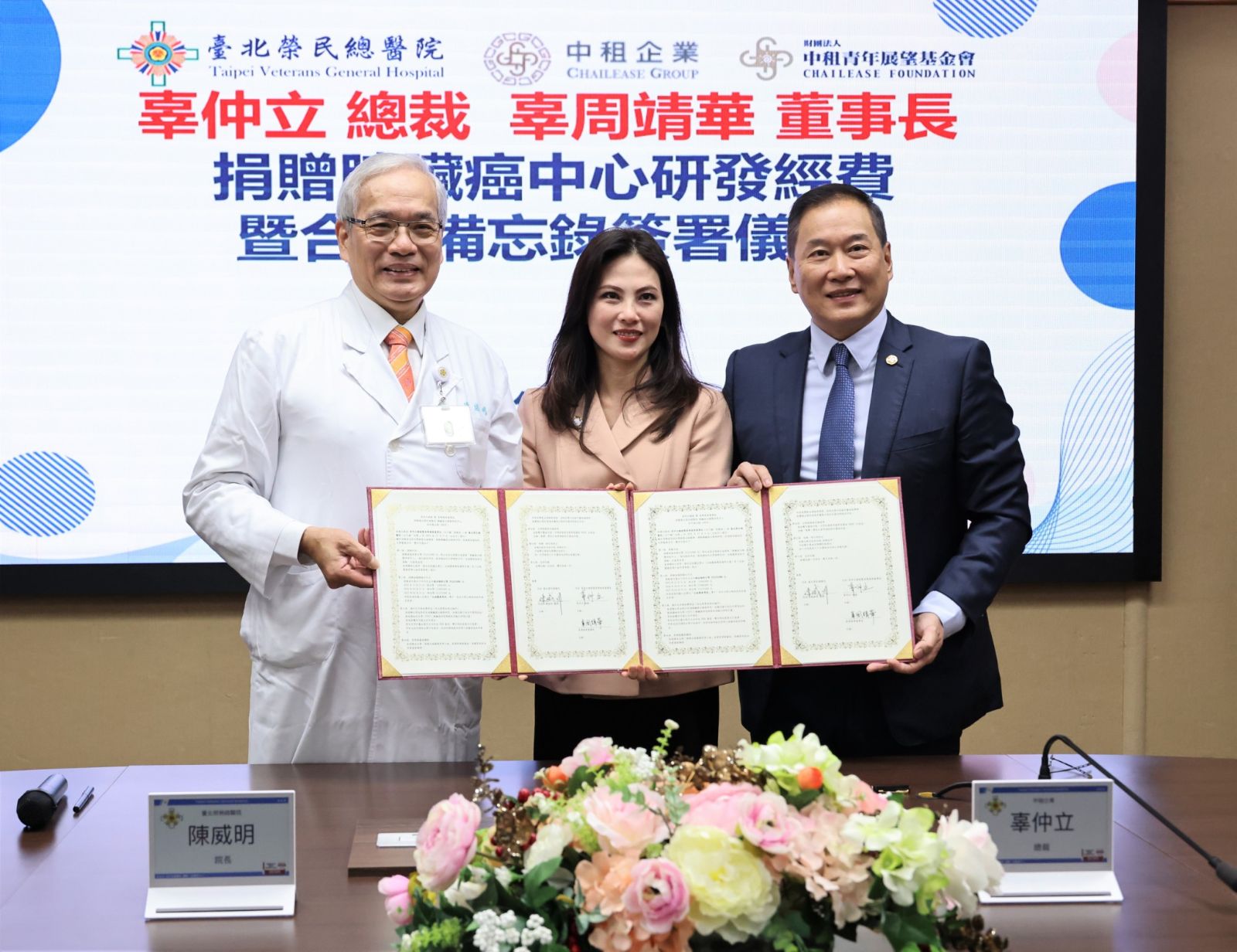 |
| TVGH and NYU Langone Health signed an MOU | Mr. Andre J.L. Koo and his wife donated R&D funds |
At the end of 2025, with the generous donation and strong support of Mr. Andre J.L. Koo, TVGH officially established the Therapeutic and Research Center of Pancreatic Cancer. The establishment of this center will significantly accelerate the transnational strategic alliance between TVGH and NYU Langone Health, advancing cutting-edge pancreatic cancer therapies, fundamental scientific research, and clinical trial development, and accelerating the translation of innovative research findings into tangible clinical treatment options. In the future, the research foundation of pancreatic cancer will serve as a starting point for the gradual expansion of our medical capabilities to more major disease areas, so as to realize medical sustainability.
A New Platform for Cancer Research in the Asia-Pacific Region
In September 2025, TVGH, together with National Yang Ming Chiao Tung University Hospital and the National Cancer Center Japan (NCC), signed an MOU, with the scope of collaboration covering cancer basic medical research in Asia, precision diagnosis and treatment, the development of next-generation sequencing (NGS) databases, prognostic analysis, and the expansion of international clinical trials. Meanwhile, by regularly holding joint academic seminars and other related exchange programs, we can foster greater interaction among researchers and outstanding students while facilitating the sharing of medical data.
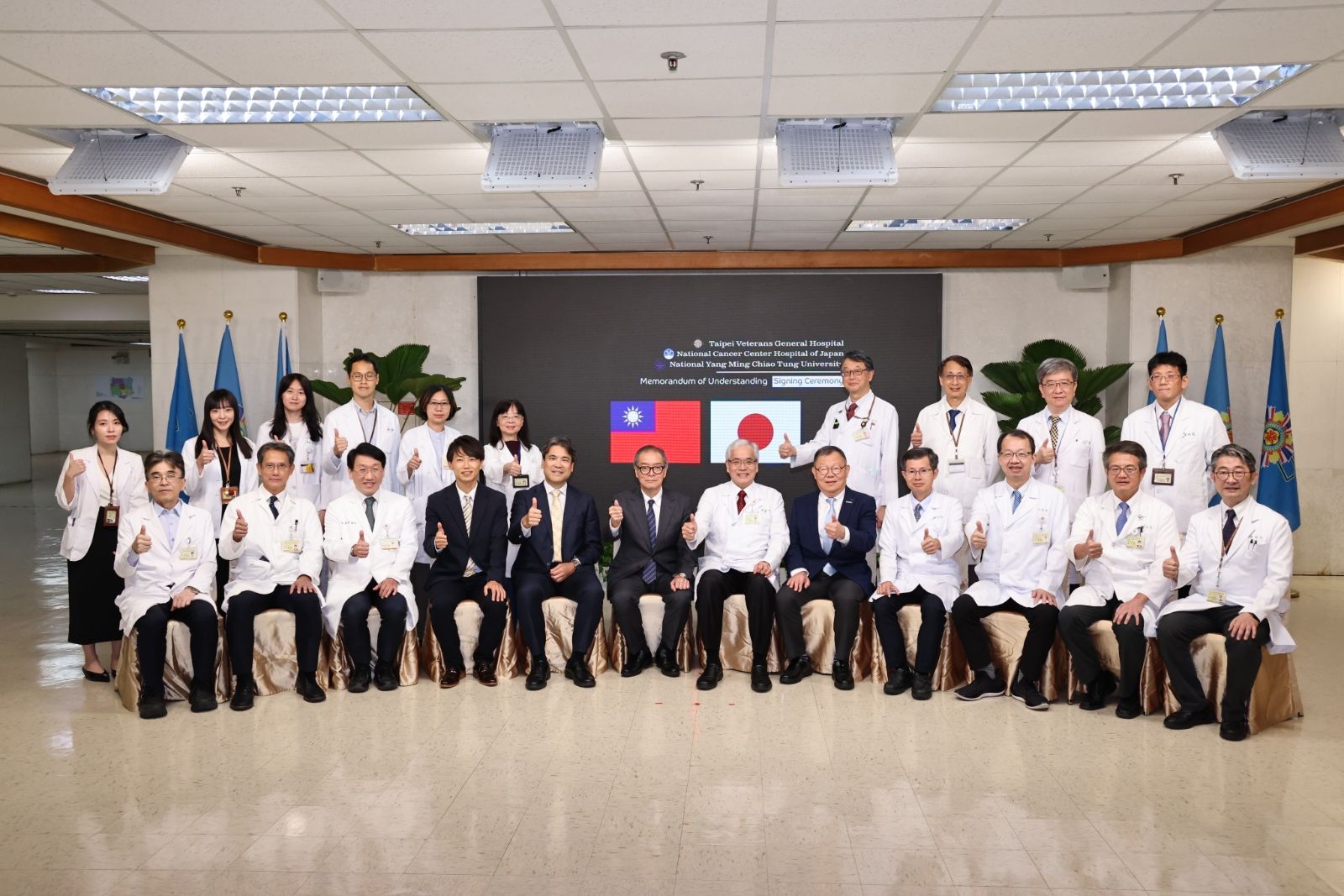 |
| The three parties jointly signed the MOU |
The National Cancer Center Japan (NCC) is a leading institution in Asia for cancer treatment and research, and has maintained a stable partnership with our institute since 2017. NCC not only houses Japan’s largest next-generation sequencing (NGS) genomic database but also leads numerous international and national cancer clinical trials in Japan. With the implementation of this cooperation agreement, TVGH plans to send an outstanding medical team to National Cancer Center Hospital (NCCH) in 2026 to conduct in-depth academic and practical exchanges on its world-leading "Vertical Boron Neutron Capture Cancer Therapy Facility". This will fully integrate the core advantages of cancer research in Taiwan and Japan, build a highly resilient cancer research network in the Asia-Pacific region, and jointly create benefits for global cancer prevention and control.
Advanced Clinical Trial Platform
TVGH has been awarded the highest honor, “Full Accreditation” from the Association for the Accreditation of Human Research Protection Programs for eight consecutive years, and conducts over 500 clinical trials every year. In addition, TVGH has taken the lead in establishing "TCTC for Heart Failure" and "TCTC for Head and Neck Cancer & Nasopharyngeal Carcinoma", leading 7 medical centers and 3 regional hospitals in Taiwan to jointly attract and facilitate the participation of world-class international clinical trials in Taiwan. We are actively deepening multilateral collaborations with leading institutions at home and abroad, showing the global competitiveness of Taiwan’s medical research while upholding the highest standards of medical ethics and remaining committed to safeguarding human health and well-being.
Promoting New Drug Development
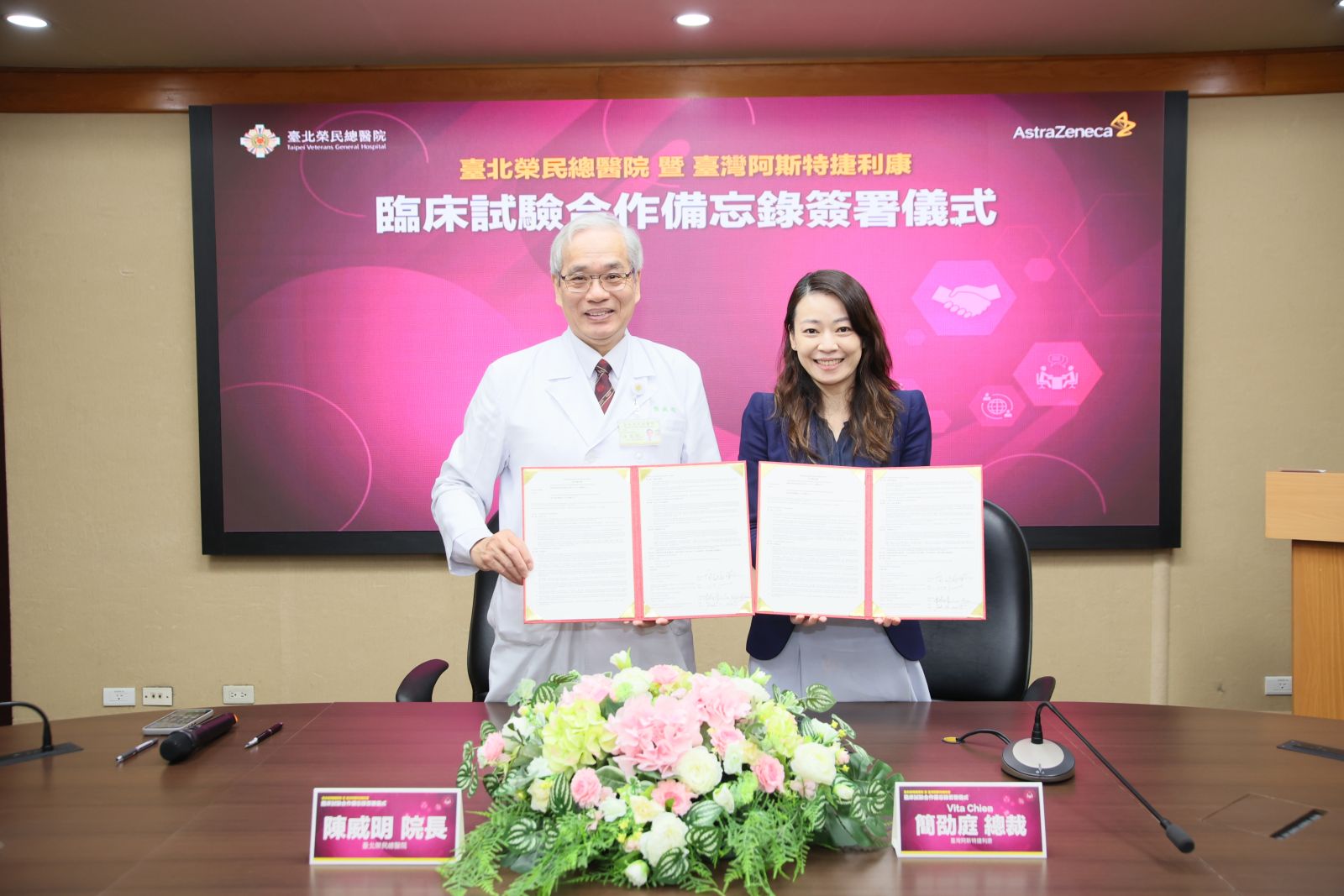
Since 2025, TVGH has successively signed MOUs with world-renowned biotechnology and pharmaceutical giants such as AstraZeneca Taiwan (AZ), Gilead Sciences Taiwan, and AbbVie. Through the deep integration of clinical big data and cutting-edge medical specialty, we can assist international pharmaceutical companies in accurately developing treatment solutions meeting local needs, comprehensively accelerate the translational medicine process from drug development to clinical application, thereby increasing the opportunities for Taiwanese people to access innovative therapies, driving Taiwan's biomedical innovation, and consolidating Taiwan's pivotal position in global clinical trials.
 |
 |
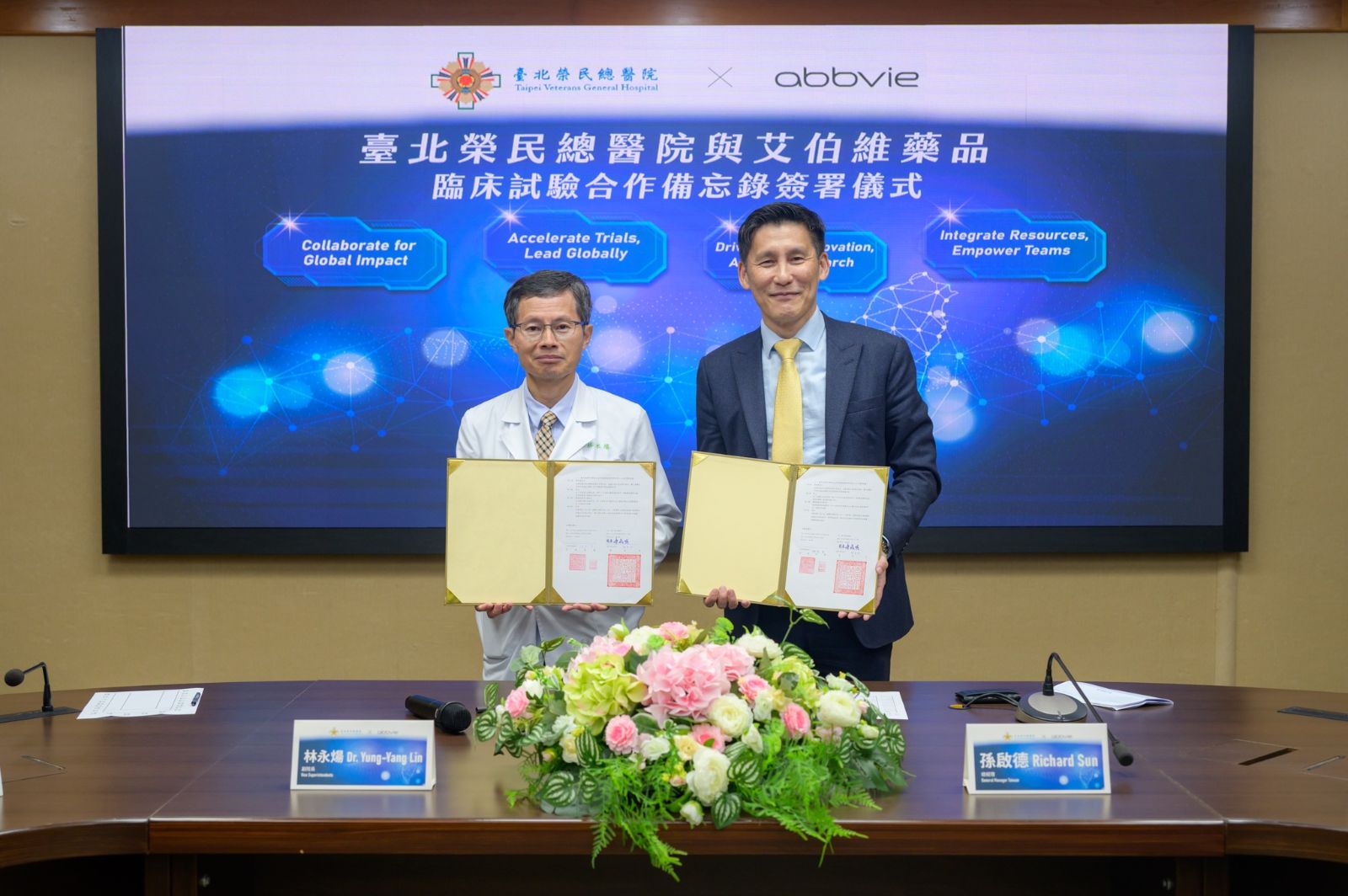 |
| TVGH signed an MOU with AstraZeneca Taiwan (AZ) | TVGH signed an MOU with Gilead Sciences Taiwan | TVGH signed an MOU with AbbVie |
In terms of specific areas of collaboration, TVGH will work with AstraZeneca Taiwan (AZ) across a comprehensive range of fields, including oncology, immunology, neurology, and rare diseases. For our collaboration with Gilead Sciences Taiwan focuses on advancing new drug development in core areas such as liver disease, inflammatory and immune-related diseases, and cancer. Our strategic alliance with AbbVie focuses on the “digital transformation of clinical trials”, actively adopting forward-looking digital tools such as e-Consent, telemedicine follow-up visit, digital data platforms, Electronic Patient-Reported Outcome (ePRO), and smart wearable devices. By incorporating international best practices, we are comprehensively enhancing the digital ecosystem for clinical trials and actively seeking opportunities to join Asia-Pacific and worldwide concurrent clinical trials, and significantly enhancing Taiwan’s international visibility in the field of new drug development.
Next-Generation Precision Theranostics in Nuclear Medicine
The National Atomic Research Institute (NARI) was awarded the "R&D 100 Awards" in 2025, becoming the only institution globally to receive this honor for its nuclear medicine research and development, demonstrating its world-class biomedical innovation capabilities. TVGH and NARI have a long-standing and strong partnership that can be traced back to 33 years ago when TVGH built the first medical cyclotron in Taiwan. In recent years, NARI has also provided key technical collaboration and support during the process of establishing the Heavy Ion Therapy Center and the BNCT Center.
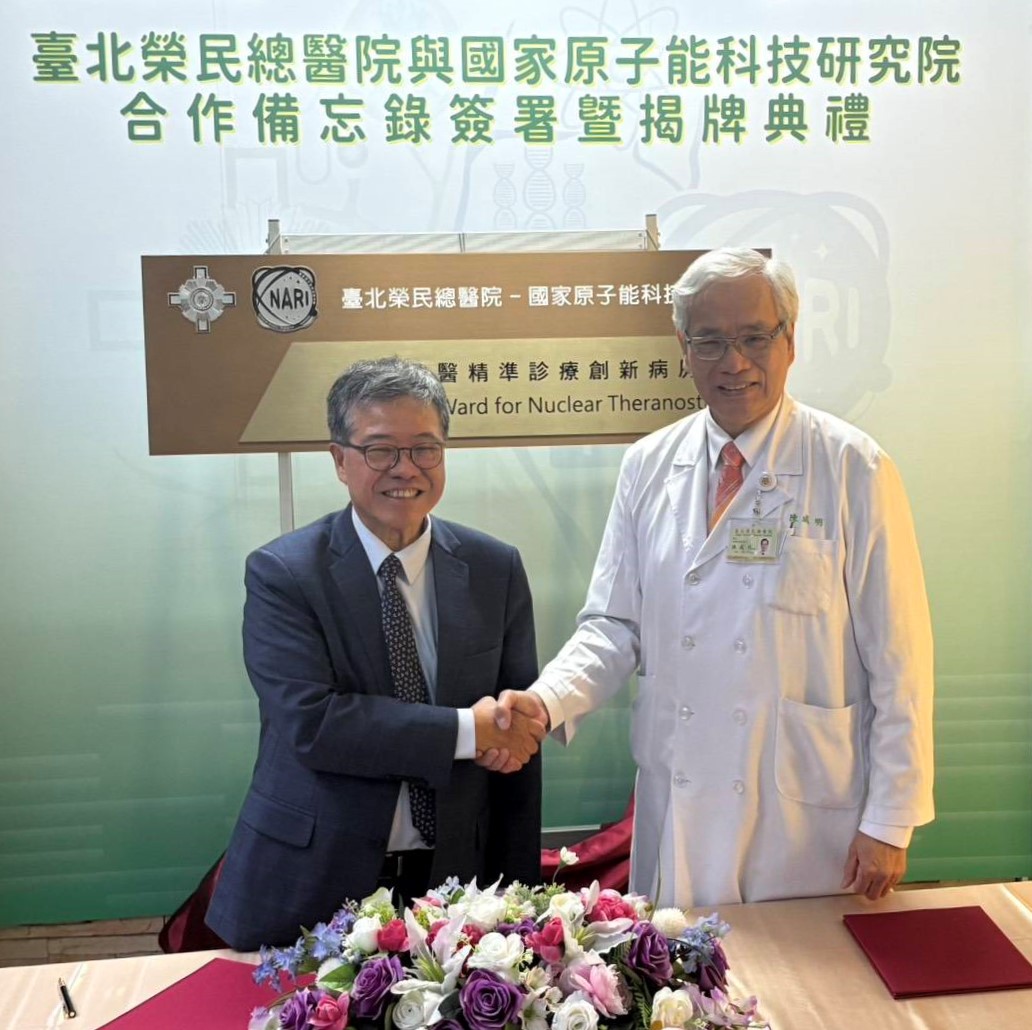
TVGH and NARI officially signed an MOU on the Innovative Development of Molecularly Targeted and Next-Generation Precision Nuclear Medicine in November, 2025, aiming to jointly plan large-scale research projects and comprehensively expand the scale of cross-disciplinary cooperation, thereby enhancing the R&D capacity and clinical validation efficiency of radiopharmaceuticals. In the same month, the two parties jointly unveiled the Innovative Ward for Precision Nuclear Medicine and Theranostics. This initiative not only substantially enhance precision diagnostic and therapeutic capabilities, but also serve as a key platform integrating next-generation nuclear medicine theranostics and treatment with cutting-edge technologies, comprehensively accelerating the clinical translation and application of high-quality domestic nuclear medicines, and benefiting more patients at home and abroad.
 |
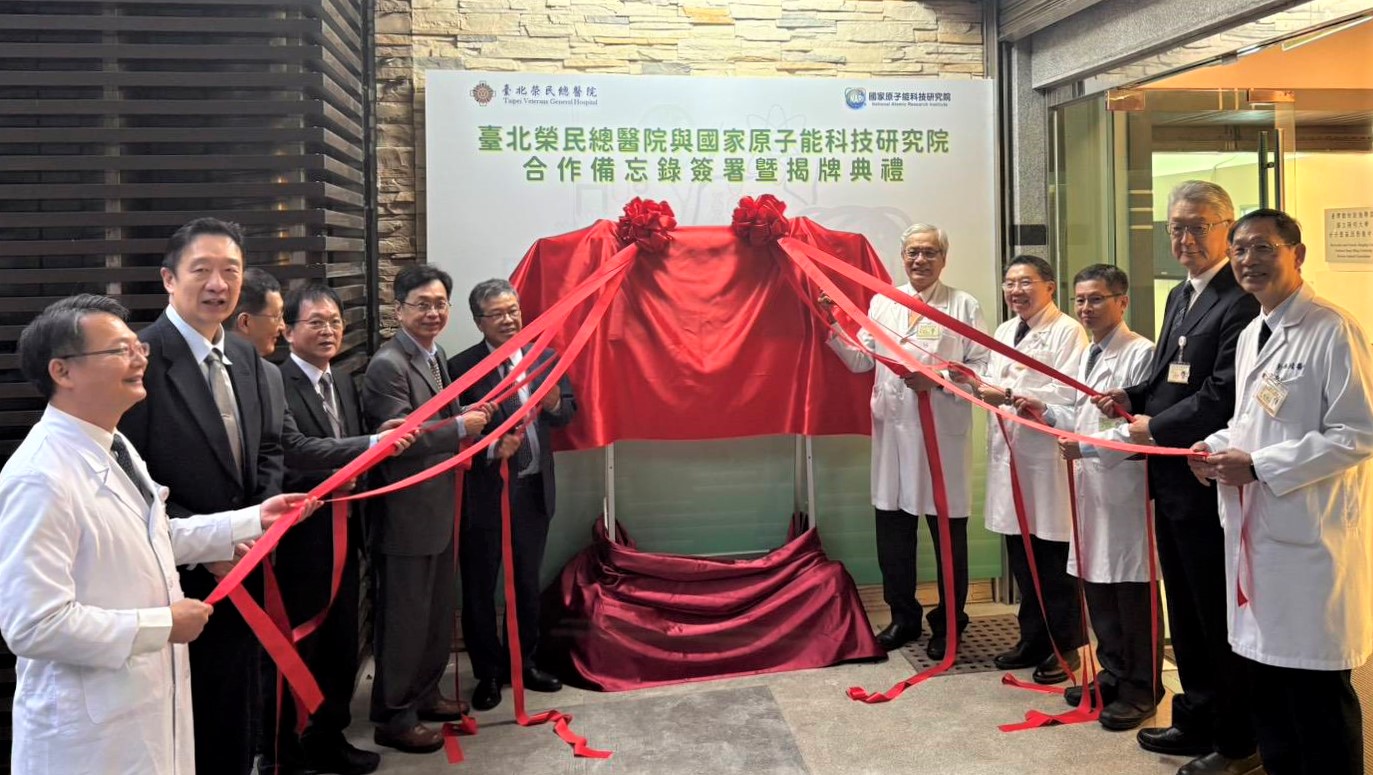 |
| TVGH signed an MOU with NARI | Plaque unveiling of the Innovative Ward for Precision Nuclear Medicine and Theranostics |
Achievements of the Joint Research Team
While modern medicine continues to make remarkable progress, numerous common metabolic, neurological, and autoimmune disorders remain incompletely understood, as these conditions often arise from complex interactions among genetic, environmental, metabolic, and immune factors. Given that a single discipline cannot fully analyze the pathological paradigm, it is essential to deeply integrate interdisciplinary research such as biomedicine, data science, AI, and clinical medicine to enhance our understanding of disease heterogeneity. With this as a cornerstone, the Hospital will drive the strategic advancement of precision medicine, dedicated to developing innovative and forward-looking personalized therapeutic approaches.
Blood Test for Detection of Alzheimer’s Disease
Alzheimer's disease is a progressive neurodegenerative disorder that affects millions of people worldwide. Its primary pathology is closely associated with the abnormal accumulation of beta-amyloid (Aβ) in the brain, making early diagnosis crucial for timely intervention and slowing disease progression. Traditionally, the diagnosis of Alzheimer's disease mainly relied on cerebrospinal fluid testing or PET scans, but these approaches are highly invasive and costly, which limits their widespread clinical application.
The collaborative research by Taipei Veterans General Hospital and Hanyang University in South Korea revealed that blood phosphorylated tau (p-tau) levels are highly correlated with cerebral amyloid deposition. In particular, plasma p-tau217 can effectively identify individuals at high risk of Alzheimer's disease, with an early diagnosis accuracy rate of up to 93%, significantly reducing the need for PET scans. This major breakthrough has been published in the internationally authoritative journal Alzheimer's & Dementia. TVGH will continue to invest in research on neurodegenerative diseases, advance the development of precision medicine technologies, and actively translate research findings into clinical practice to contribute to the prevention and treatment of dementia in Taiwan and around the world.
A Prediction Model for Migraine Risk
Headache disorders have a global prevalence of 15%, affecting more than 1 billion people worldwide, and are the second leading cause of disability among people aged 15 to 49. However, due to the lack of distinctive imaging abnormalities or reliable biomarkers, headaches have long been regarded as an invisible disease", leaving physicians to rely primarily on patients’ subjective symptom description for diagnosis.
TVGH, in collaboration with National Yang Ming Chiao Tung University (NYCU), Academia Sinica, and National Health Research Institutes (NHRI), formed a research team that spent five years identifying microRNA biomarkers that enable the detection of migraine status through a blood test. The establishment of a blood-based prediction model for migraine status and risk lays a crucial foundation for future precision diagnosis and personalized treatment. The research findings were also published in the prestigious international neuroscience journal Brain.
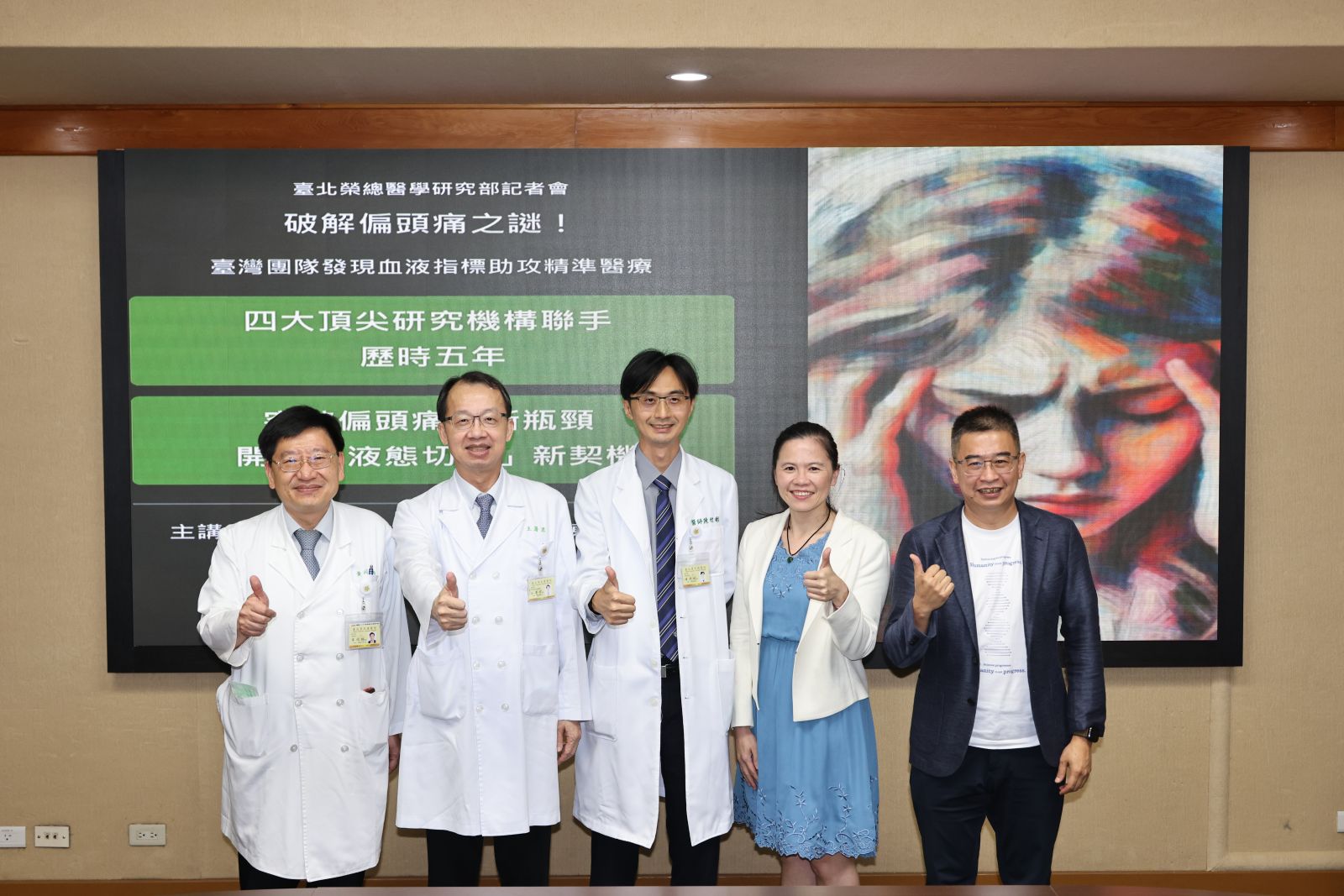 |
| The inter-institutional research team |
The research found that specific microRNAs (miRNAs) different significantly between patients with migraine and healthy individuals. When combined with a polygenic risk score (PRS), the biomarkers can achieve an accuracy of up to 90% in distinguishing patients with migraine. This research provides the first evidence that migraine can be obviously detected through a blood test, opening new opportunities for future application of liquid biopsy technologies to neurological disorders and representing a major advance in the field of neuroscience.
最後更新: