Soothing and Greened Campus
Launch of the Greened Surface Parking Lot
In strong response to the government's ESG policies, the hospital launched the "Lakeside Greened Parking Lot" on July 1. The parking lot utilizes higher-cost stamped concrete and grass pavers. It not only possesses the required load-bearing capacity for vehicles and superior anti-slip performance compared to traditional hard paving, but the permeability of the grass pavers also increases rainwater infiltration, effectively reducing surface runoff and drainage pressure. The planted turf enhances the greenery of the parking lot while mitigating the urban heat island effect and absorbing noise to reduce sound pollution. Expanding the green coverage seamlessly complements the neighboring beauty of Wangyou Lake. Combined with the Qilian stone along the shore and the lake's natural ecosystem, it builds a naturally therapeutic green landscape—demonstrating Taipei Veterans General Hospital's commitment to ecological preservation, sustainability principles, and human-centered design.
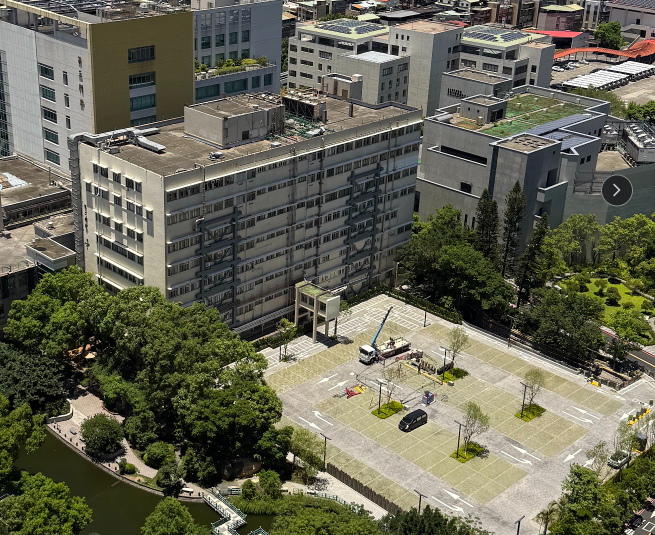 |
| Lakeside Greened Parking Lot |
Deep appreciation goes to the President of Ruentex Group for the generous donation and full support, which enabled the hospital to swiftly complete the long-term parking and environment optimization project and helped the hospital earn the "Best Hospital" award for two consecutive years. This contribution to improving the healthcare environment and enhancing social welfare demonstrates a strong sense of corporate responsibility toward public welfare and society. The renovation was completed in just seven months.
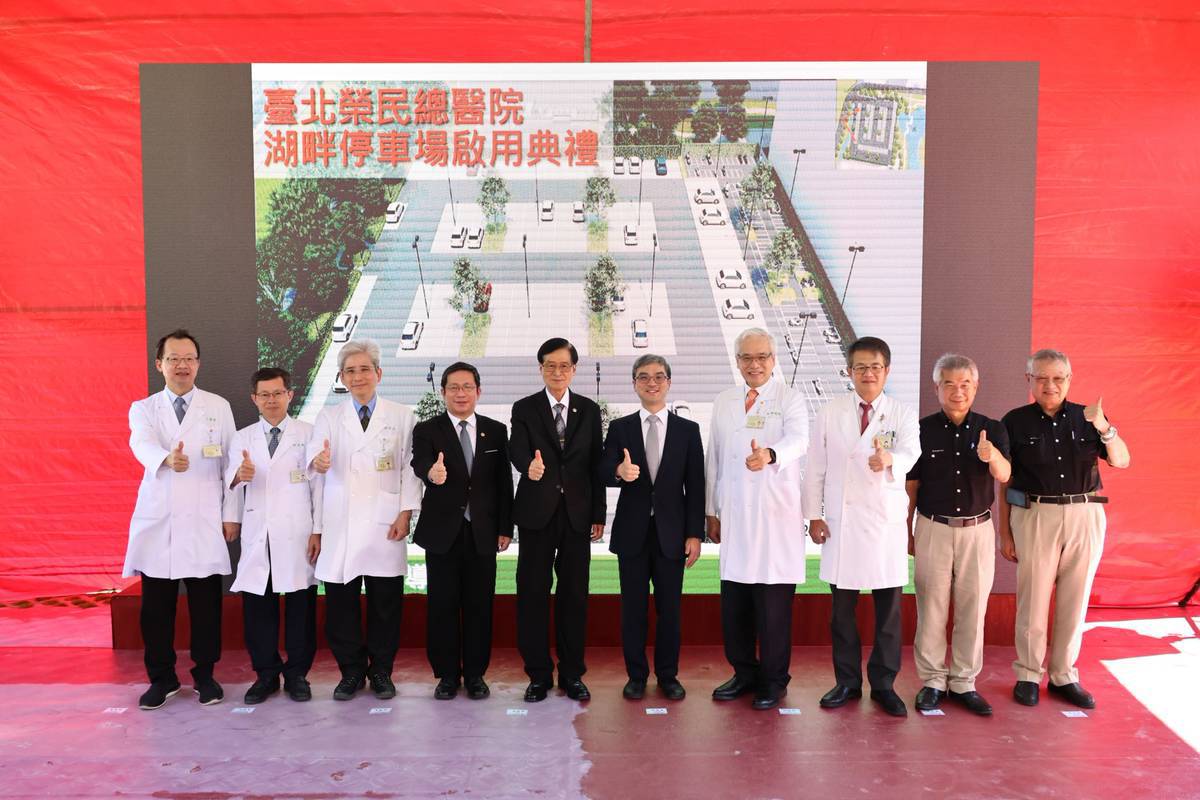 |
| Ruentex Group assists in creating a sustainable healthcare environment - Opening ceremony of the lakeside green parking lot |
The newly completed parking lot provides 100 car parking spaces for visitors and 135 scooter parking spaces for employees. It also specifically features 3 dedicated scooter spaces for hardworking delivery drivers. This not only effectively relieves the shortage of parking spaces in the hospital area, but the site also has the potential to be converted into a temporary screening station, fully demonstrating forward-looking spatial planning thinking.
Coexisting with Nature to Build a Green Home
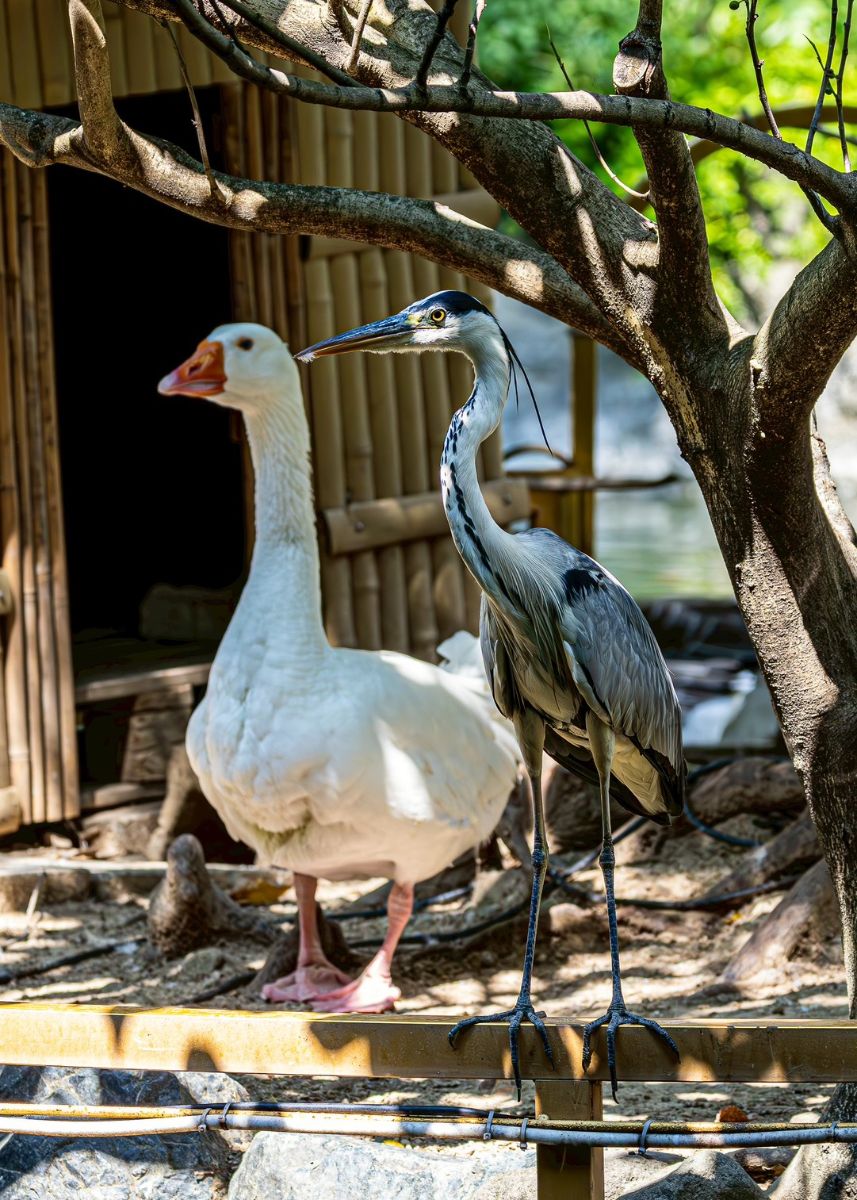
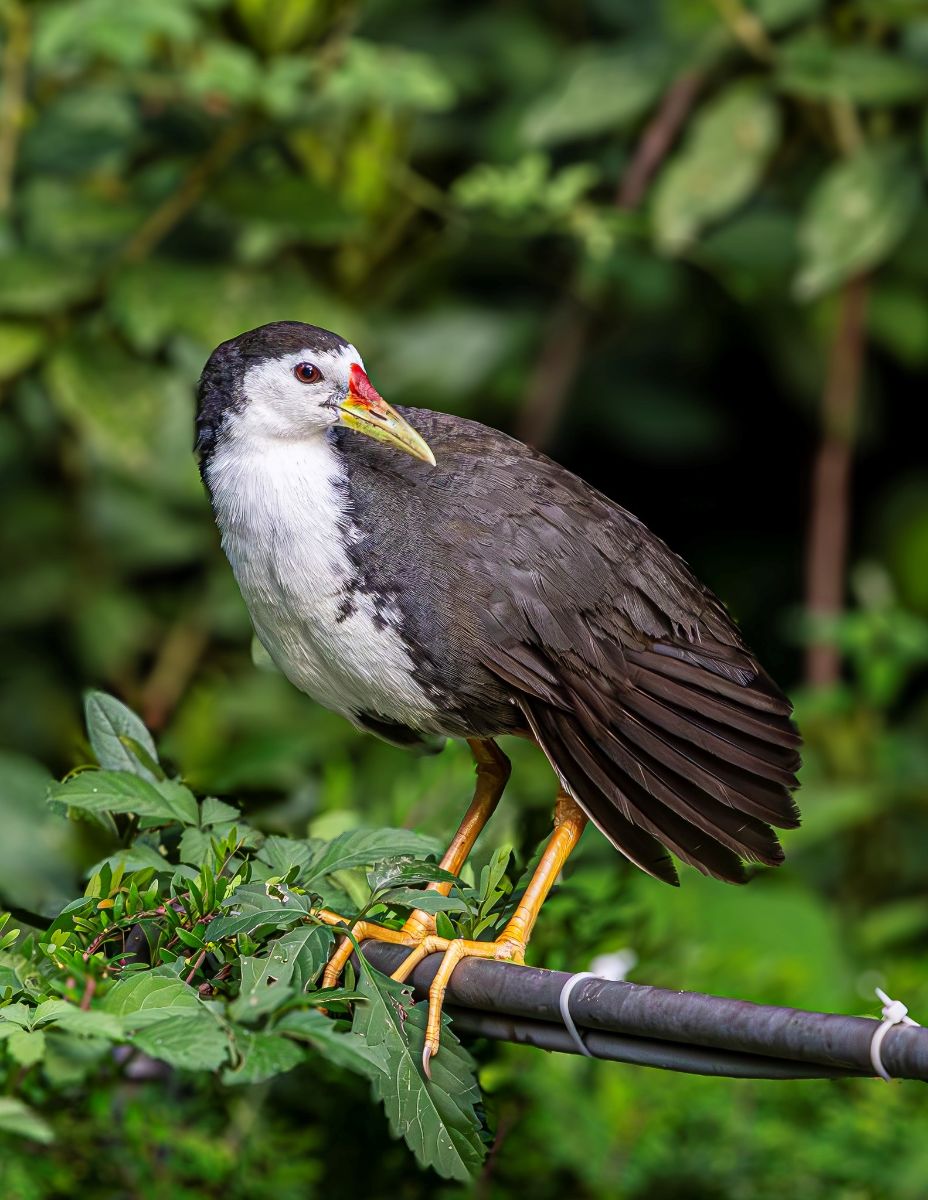
As September arrives, "Forget-Worry Lake" within our hospital campus once again welcomes the scheduled return of familiar wintering guests, the grey herons, bringing natural vitality and energy back to the lakeside. Meanwhile, a new pair of charming visitors, white-breasted waterhens, have recently nested and successfully raised their chicks, adding even more life to this green space.
Taipei Veterans General Hospital covers an area of over 30 hectares. To protect nature, implement sustainable development, and reduce the heat island effect and carbon emissions, the hospital has actively promoted green landscaping projects in recent years, planting more than 50,000 flowers, plants, and trees. Including the small forest adjacent to the campus, the hospital grounds have achieved a green coverage rate of 40%.
 |
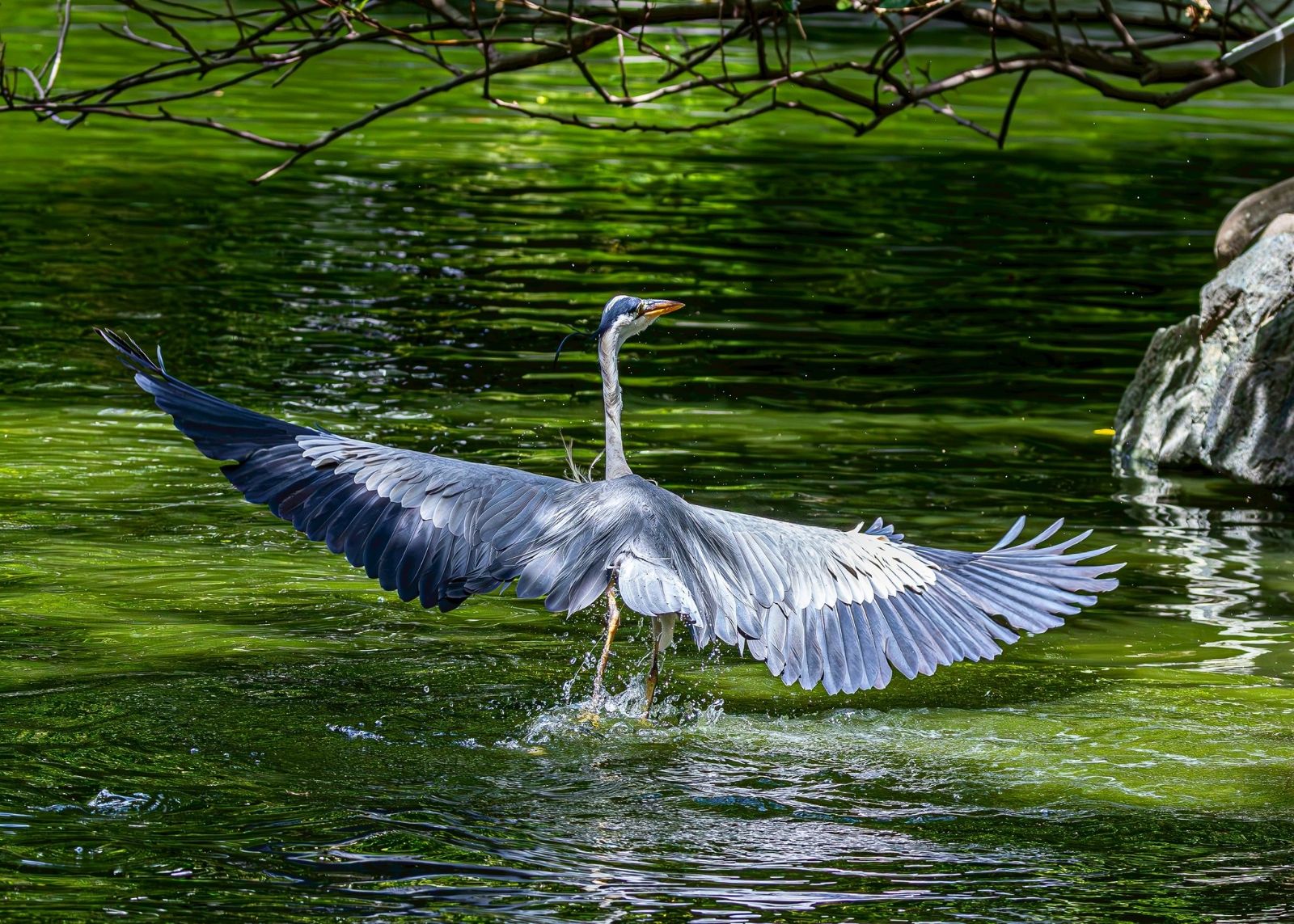 |
| A grey heron returns to "Forget-Worry Lake" and meets old friend, the Roman goose | A grey heron spreading its wings and playing in the water |
 . . |
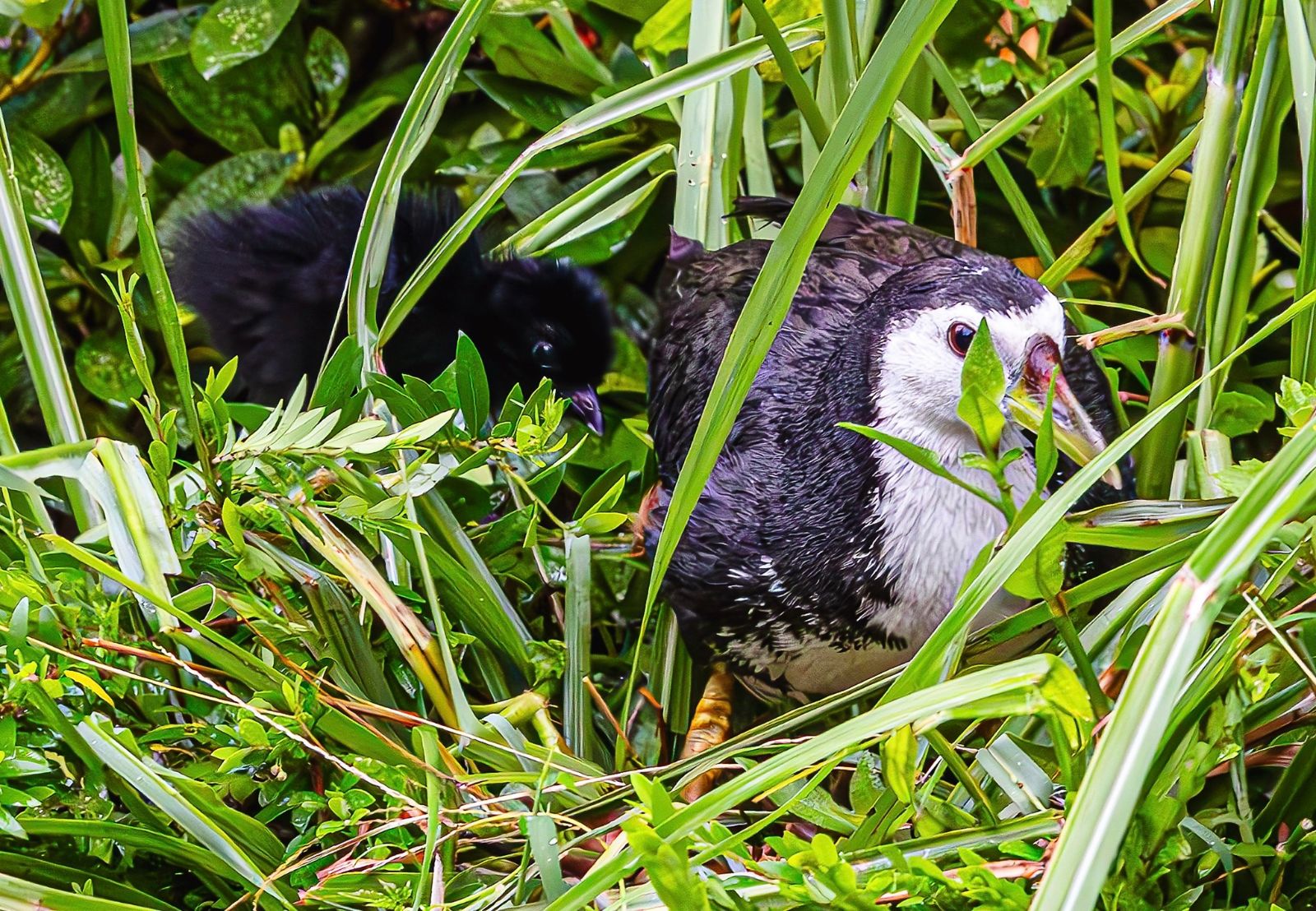 |
| An elegant and beautiful white-breasted waterhen | Black fluffy chicks closely following the white-breasted waterhen |
"Forget-Worry Lake" in our hospital is not only a healing landscape, but also a precious ecological habitat. Currently, 38 "waterfowl staff members" live in the lake long-term, attracting more than 20 species of wild birds to forage and roost, creating a beautiful picture of harmonious coexistence between humans and nature. Taipei Veterans General Hospital will continue to take environment-friendliness as its core philosophy to safeguard this rare urban oasis, share sustainability with all living things, and co-create a better future.
Reducing Resource Consumption
Water Resource Recycling
Taipei Veterans General Hospital sources its water from the Feitsui Reservoir, with total tap water consumption reaching 1,455.57 million liters in 2025. According to the Aqueduct Water Risk Atlas assessment tool, the hospital is located in a low-to-medium water risk area. Under Paragraph 1, Article 17 of the Water Pollution Control Act, the hospital's wastewater discharge is classified as an enterprise connected to the Taipei City Government's public sewerage system. Therefore, the "Effluent Standards" set by the Ministry of Environment do not apply; it only needs to comply with Article 25 of the Sewerage Act and the water quality standards under Article 15 of the Taipei City Sewerage Management Self-Government Ordinance promulgated by the Taipei City Government. Consequently, the hospital has not installed wastewater flow meters and cannot calculate total annual water consumption and discharge volumes.
The hospital conducts wastewater quality testing once every quarter, with all test results meeting standards over the past three years. Regarding water conservation, the hospital has installed a rainwater harvesting system to reuse collected rainwater for irrigation and toilet flushing. In addition, groundwater that continuously seeps into the underground levels of the Chung-Cheng Building's diaphragm wall is collected and reused for air conditioning cooling towers, water supply for "Forget-Worry Lake," and other purposes. In 2025, rainwater harvesting volume reached 184.88 million liters.
TVGH attaches great importance to harmonious coexistence with the natural environment. The campus ecological coverage includes "Forget-Worry Lake" and "Baxian Canal." The hospital regularly monitors the water quality of these two sites to ensure the stability of the aquatic environment and ecological health, while continuously feeding waterfowl and fish to provide good habitat conditions for aquatic life.
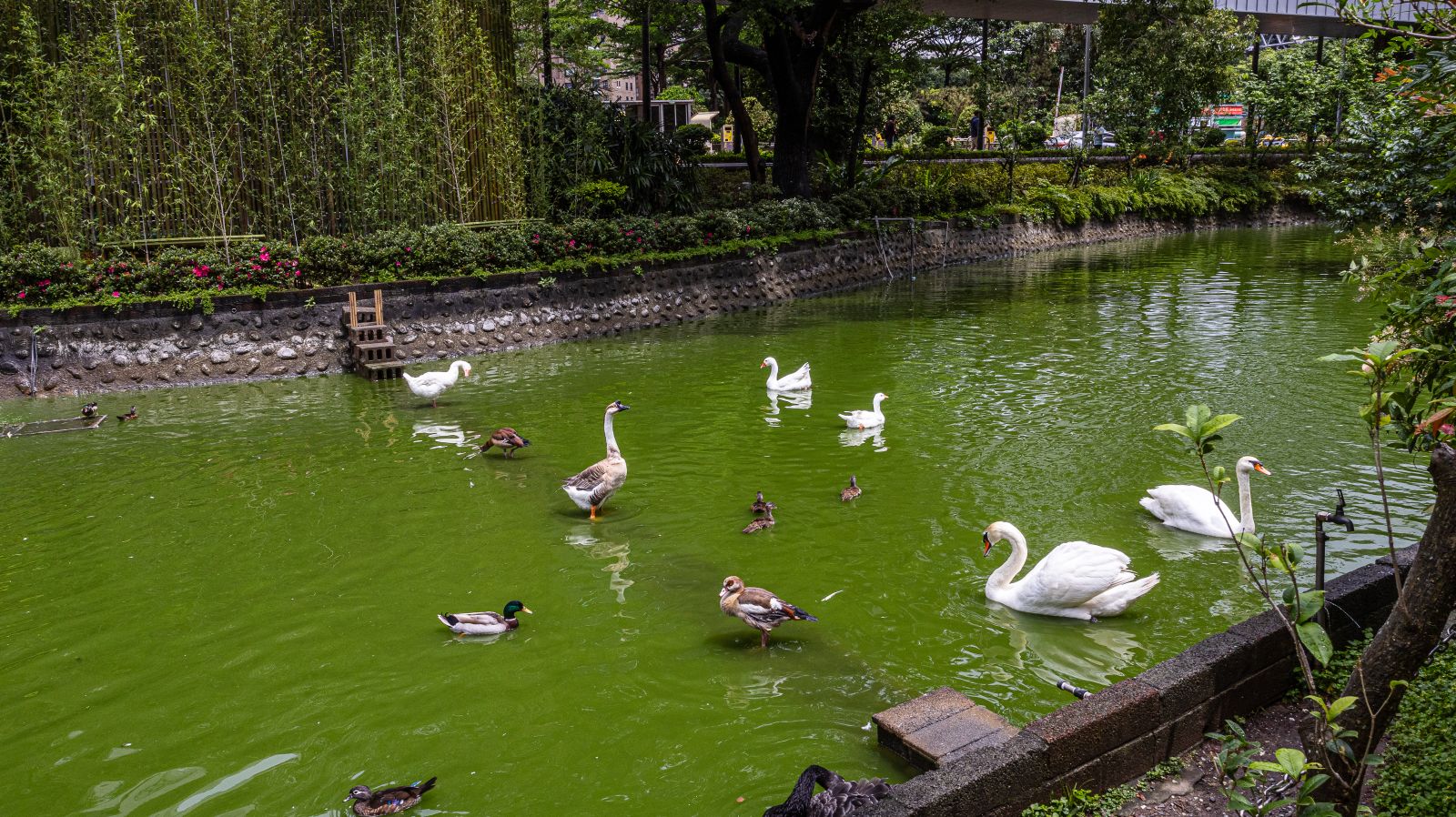 |
| Lake Nepenthe Waterfowl |
Medical Waste Reduction
The hospital's waste includes non-hazardous waste and medical hazardous waste. Through the "Outsourcing Procurement Project for General Industrial Waste Removal and Transportation," qualified contractors are commissioned to legally remove and transport the hospital's waste. Hazardous industrial waste removal contractors must hold Class A or above waste clearance permits, and must use transport vehicles, tools, and relevant regulations that comply with the Ministry of Environment's Methods and Facilities Standards for the Storage, Clearance and Disposal of Industrial Waste and Regulations for Governing Public/Private Waste Clearance and Disposal Organizations. The waste is cleared and transported to Ministry of Environment-approved incinerators or melting furnaces for incineration or melting treatment, while residual ash is legally transported to sanitary landfills for final disposal.
In addition, clearance contractors must report manifests online according to regulations. The hospital randomly dispatches personnel to accompany or follow transport vehicles, while also utilizing GPS tracking systems for monitoring. Every six months, the Personnel Office holds the hospital-wide "Outsourced Service Management Conference," systematically arranging for the General Affairs Office to regularly submit the "Work Review Report" for the outsourced project to explain implementation status and ensure contractor operations comply with regulations. Furthermore, to better protect the labor rights of dispatched workers stationed at the hospital, starting from the second half of 2024, the Personnel Office has centrally planned to invite external professionals every six months to conduct written audits by external experts and scholars on the terms and implementation of various outsourced service contracts. A total of 2 audits were conducted in 2025, striving to guide and assist all outsourced service contractors of the hospital in implementing labor law compliance.
If major incidents prevent contractors from performing clearance and transportation, handling is carried out according to the filed "Emergency Response Plan" provided by contractors, including rollback timelines, emergency contact names and phone numbers, backup priority lists when contractors cannot transport waste, and mutual support agreements between both parties.
.png) |
| Waste Management Process TVGH (2025) |
Due to the unique characteristics of the healthcare industry, hospital waste recycling initiatives remain limited. Nevertheless, we remain committed to exploring more circular economy possibilities. This includes recycling and reusing medical waste as well as general industrial waste, alongside promoting recycling policies for yellow-bag biomedical waste, thereby implementing waste reduction actions across daily living and service delivery processes.
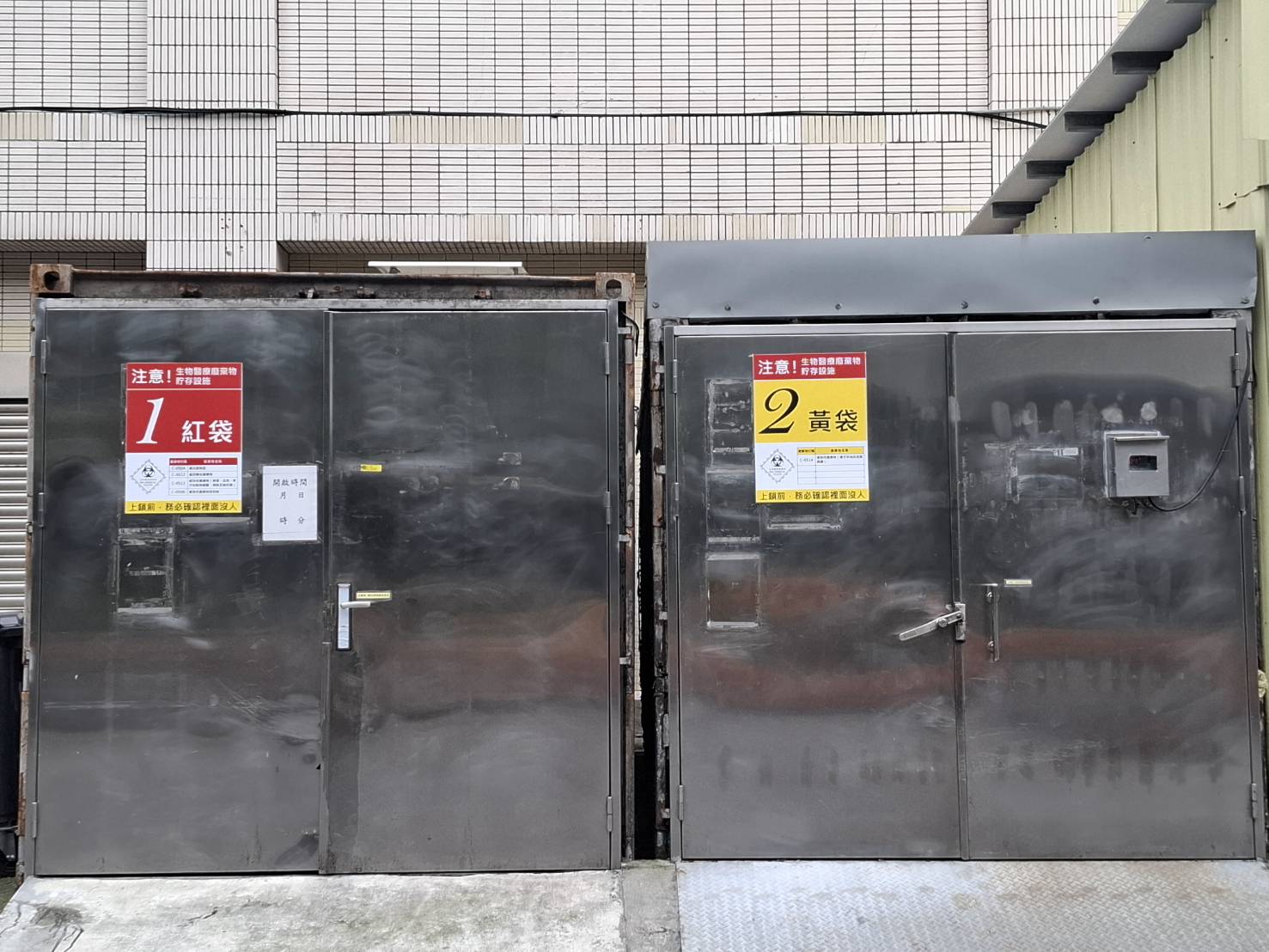 |
Medical Waste Resource Recycling Yellow Bag Recycling in Hemodialysis Unit: The Hemodialysis Unit has utilized yellow bags for recycling for many years. Recycled items include artificial kidneys, blood lines, and waste IV tubing. After high-pressure sterilization, these items are reused, totaling 52.96 metric tons recycled in 2025. Hospital-wide Yellow Bag Recycling: Starting in 2025, the hospital promoted the reuse of yellow-bag biomedical waste, collecting a total of 55.82 metric tons. Vial Recycling and Reuse: The hospital has long implemented special centralized collection and reuse for small medicine vials, recycling 108.62 metric tons of vials in 2025. Reducing Plastic Medicine Cup Usage: To reduce plastic medicine cups used for inpatient medication, usage in 2025 decreased by 41.5% compared to 2024. Starting April 9, 2025, paper cups fully replaced plastic medicine cups. |
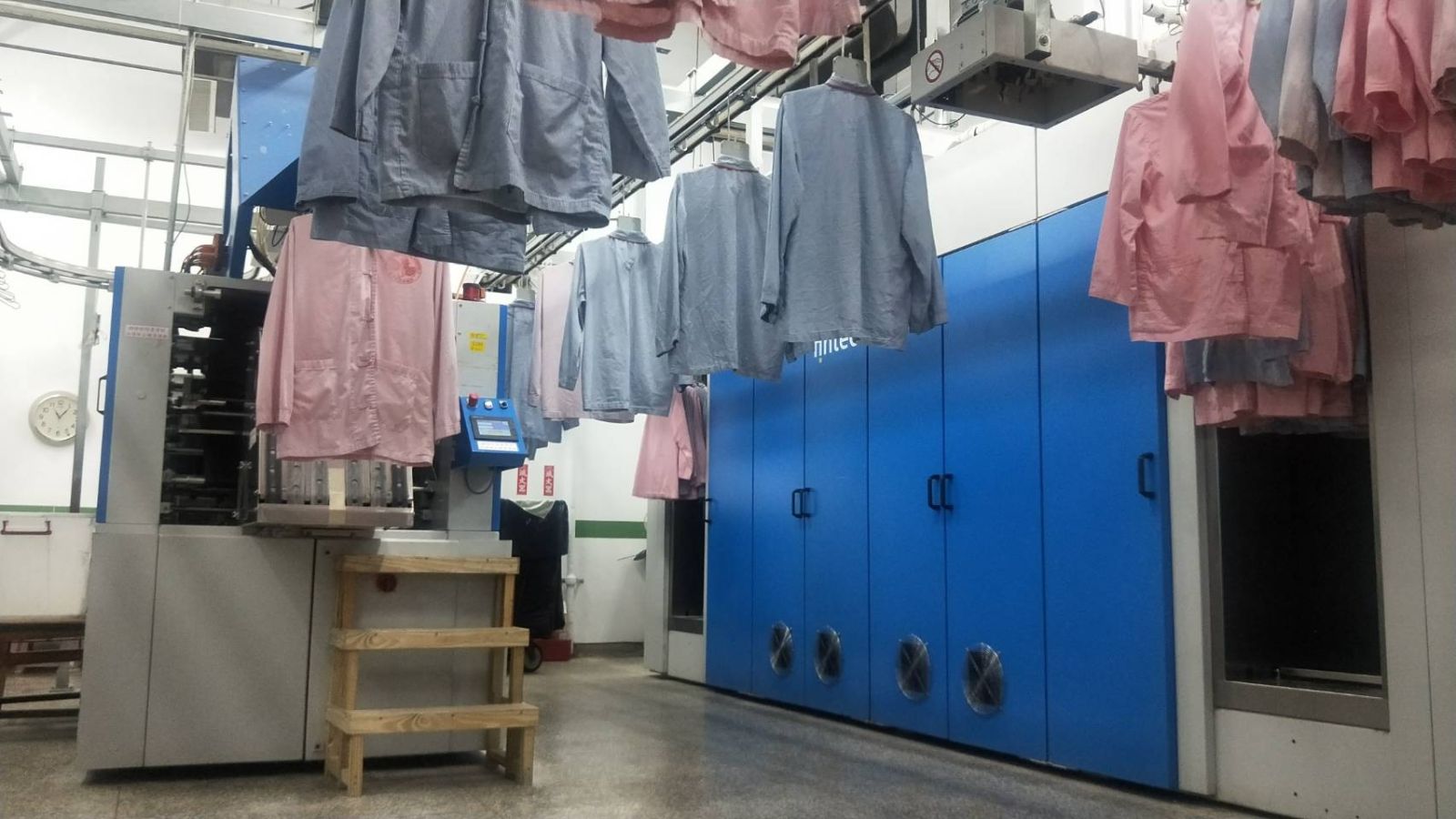 |
Laundry Plant To reduce single-use bed sheets, patient gowns, and associated plastic waste while meeting infection control requirements, Taipei Veterans General Hospital established an in-house laundry plant. The laundry contractor operates according to Safety Data Sheets (SDS), posting major ingredients, hazard prevention measures, and warning notices on the wall. Dynamic pH sensors are installed at the laundry plant and wastewater pit to automatically monitor whether pH values meet inspection standards (pH 5–9), avoiding chemical damage to garments while complying with environmental inspection regulations. In 2025, a total of 3,061,590 garments and 2,456,316 bedding items were laundered, totaling 4,831,086 kilograms. |
Green Maintenance
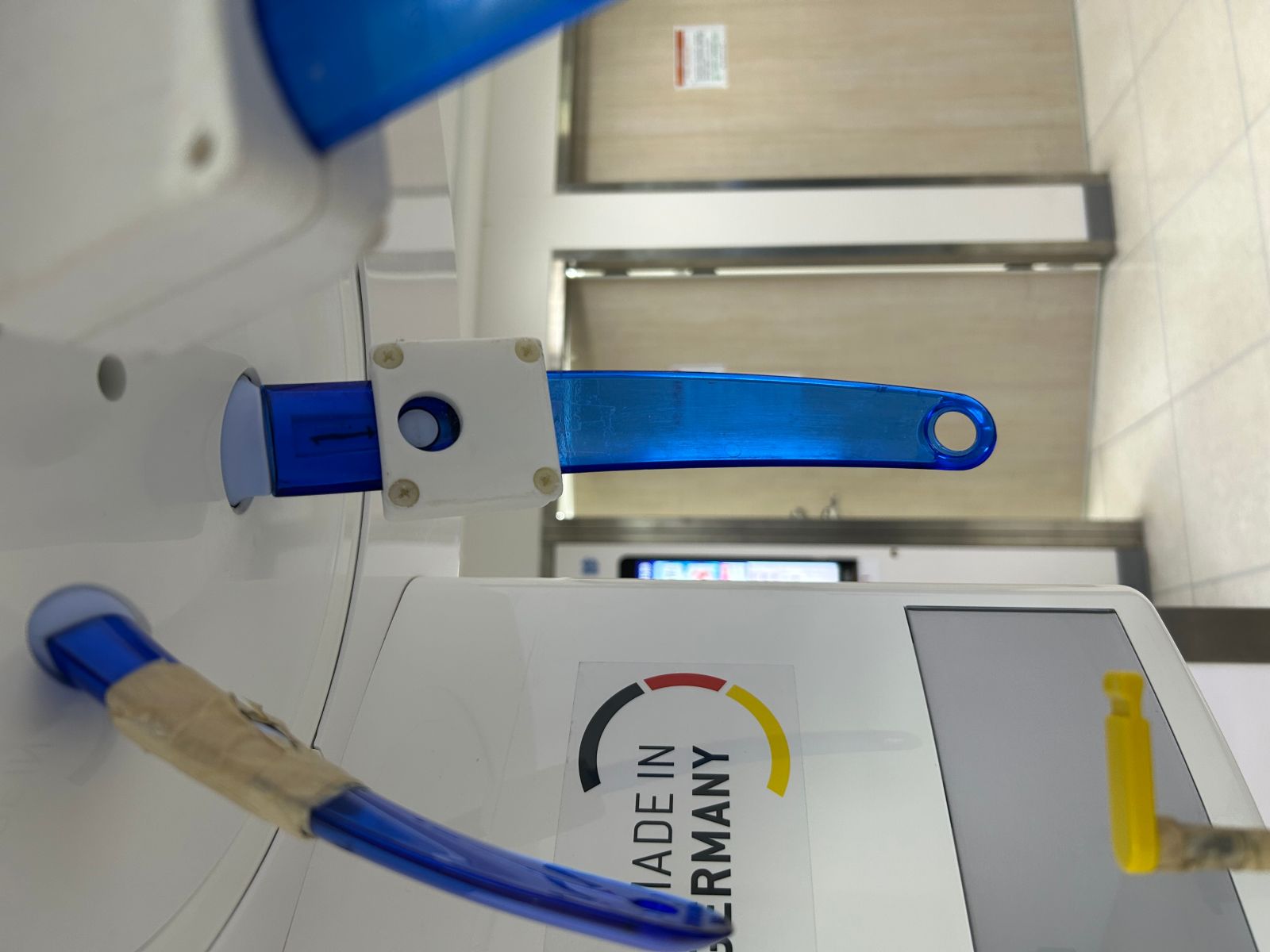
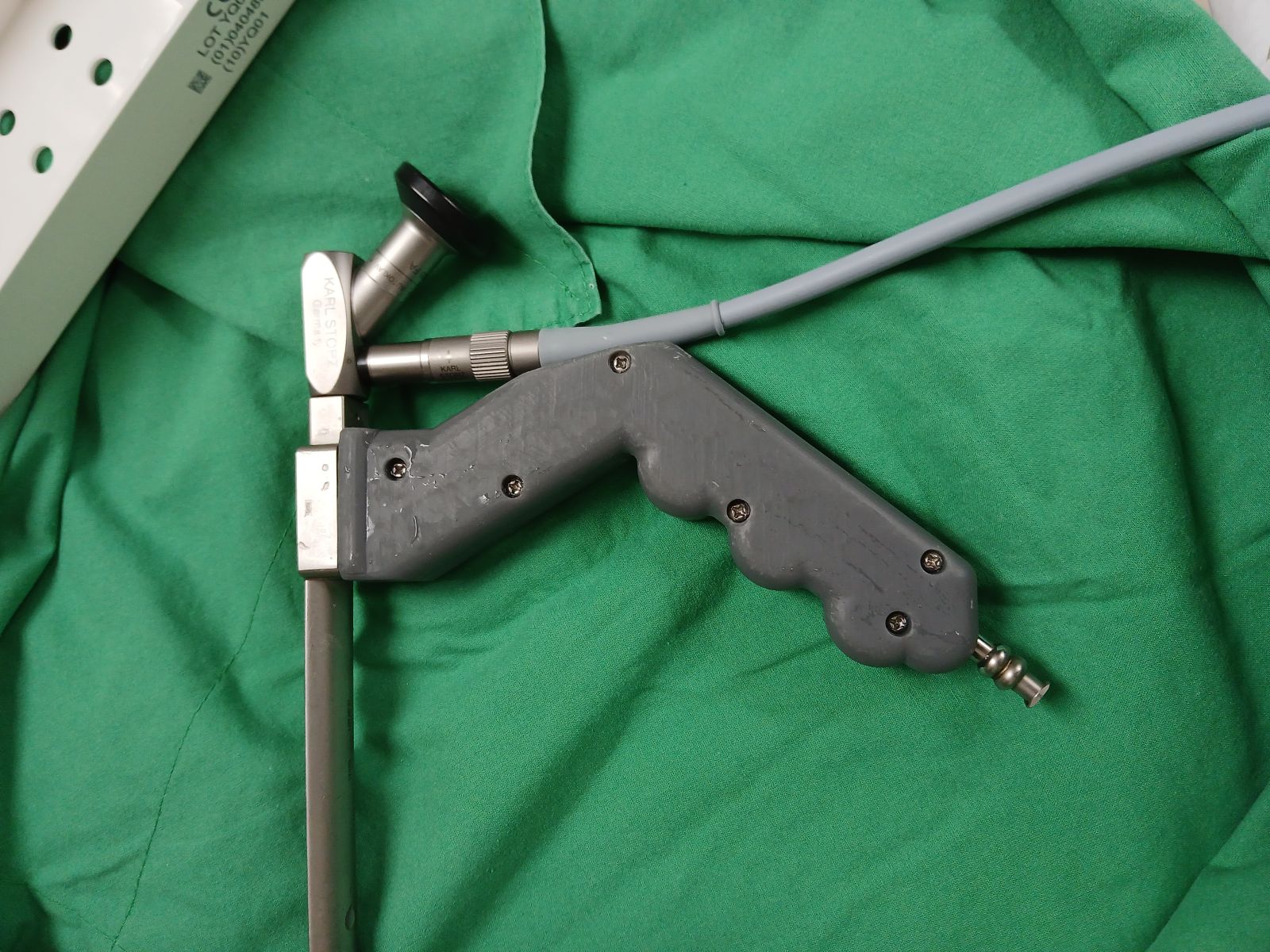
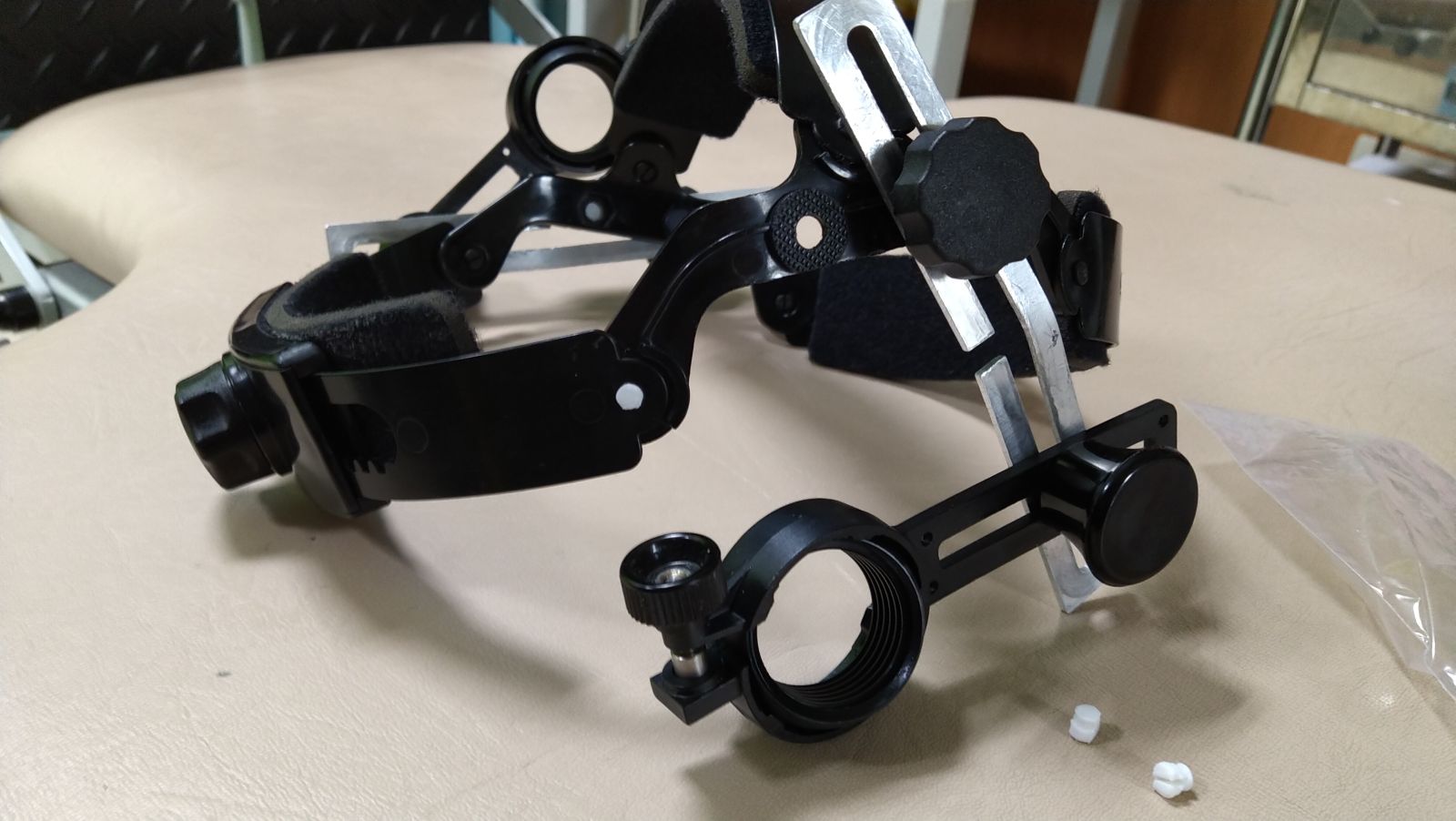
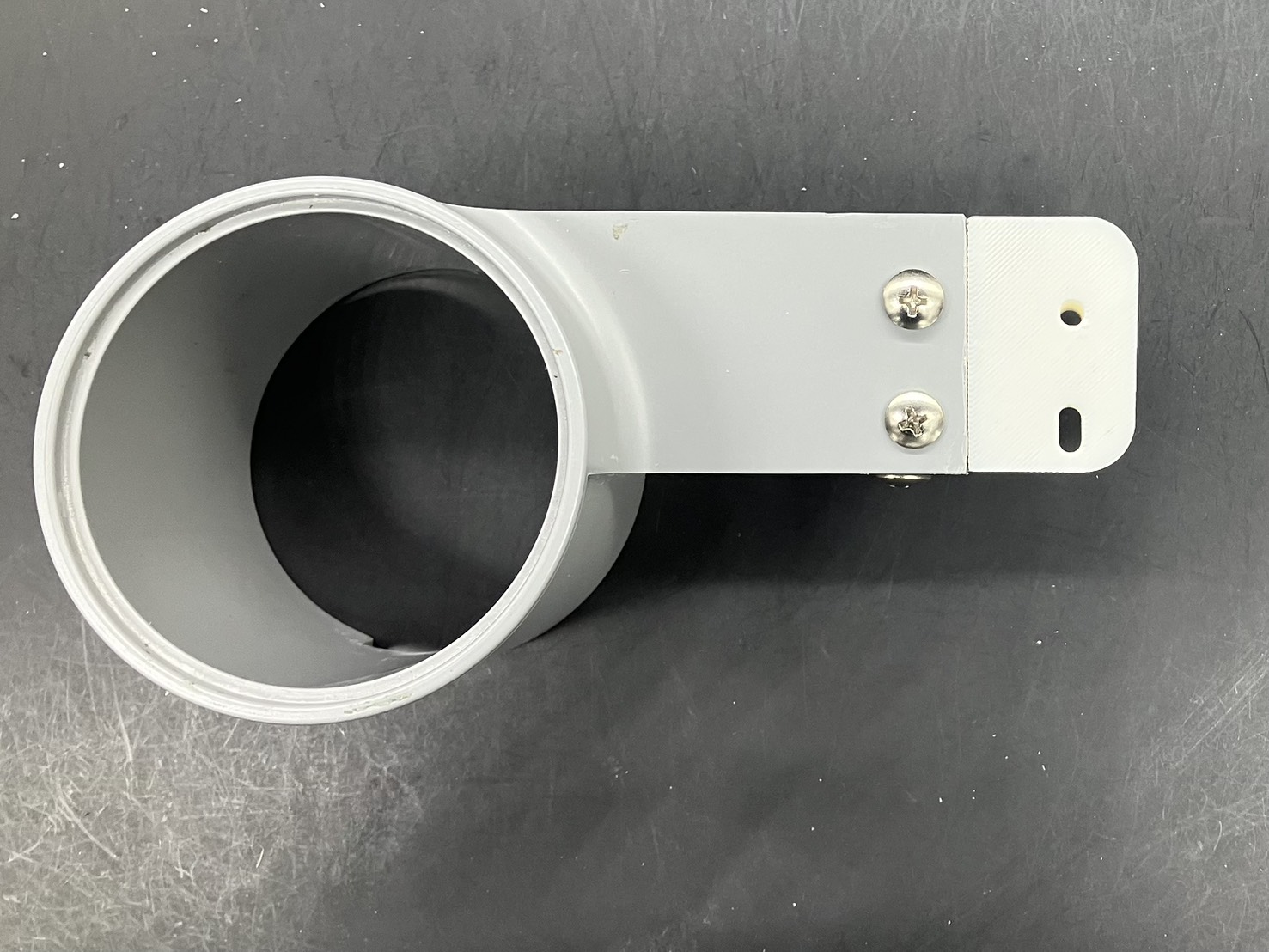
To effectively reduce unnecessary medical waste and enhance the durability of easily damaged components, the hospital applies "Green Maintenance" to medical equipment by introducing a repair model designed for minimal resource consumption. Functional components of medical equipment are divided into minimal functional units, allowing repairs or replacements to be targeted solely at faulty or damaged units rather than directly discarding whole modules. This minimizes repeated equipment failures and maintenance frequency, extending equipment lifespans.
This maintenance approach preserves fully functional components and prevents entire modules from being scrapped due to localized damage. It not only reduces the consumption of parts and raw materials, but also cuts medical equipment waste at the source, further enhancing resource efficiency and realizing the values of a circular economy and environmental sustainability.
 |
 |
 |
 |
 |
Last Modified: